
An award-winning breast surgeon answers your top 10 questions about implants, recovery, costs and achieving natural-looking results.
If you’re thinking about breast augmentation but unsure where to start, you’re not alone. Many women explore this procedure to boost confidence, restore volume after pregnancy or weight loss, or improve breast symmetry. Understanding your options is the first important step.
As an award-winning breast surgeon, I’ve supported many women in achieving results that feel right for their bodies and look naturally balanced. Below, I’ve answered the ten most common questions I receive about breast enlargement – to help you make a confident, well-informed decision.
1. What is Breast Augmentation?
Breast augmentation (also known as breast enlargement) is a surgical procedure that enhances the size and shape of the breasts. This is most commonly done using silicone implants or, in some cases, by transferring fat from another area of your body.
It’s a popular option for women who want fuller, more proportionate breasts, who’ve lost volume due to weight loss or childbirth, or who are looking to correct noticeable asymmetry. At Enova Surgery, I take a highly personalised approach to ensure every result suits your unique body and goals.
2. How Much Does Breast Augmentation Cost?
Costs can vary based on the type of implants you choose, whether any additional procedures like a breast lift are needed, and the surgical technique used. For example, performing an uplift (augmentation mastopexy), or certain types of implant may carry a premium.
At your consultation, I provide a clear and detailed breakdown of the fees, so you know exactly what to expect – no hidden costs, no surprises.
3. What Are the Risks of Breast Augmentation?
Every surgical procedure has risks, and breast augmentation is no exception. There are risks to yourself from having a surgical procedure (e.g. chest infection, pain, delayed healing), and some risks associated with the type of procedure. Some of the possible complications from implant insertion include capsular contracture (scar tissue forming around the implant), infection, or implant rupture. That said, modern implants are very durable, and these risks are relatively low – especially when the surgery is performed by a qualified specialist.
With my background in oncoplastic and reconstructive breast surgery, I use proven techniques to minimise risks and prioritise your safety, both during and after surgery. I have included further information of risks at https://enovasurgery.co.uk/cosmetic-breast-surgery/breast-enlargement and will discuss fully with you during your consultations.
4. Can I Breastfeed After Breast Augmentation?
In most cases, yes. Breast implants don’t prevent breastfeeding, especially when placed beneath the breast gland or muscle. I use careful surgical techniques to preserve the milk ducts and glandular tissue, which is particularly important if you plan to have children in the future.
5. Which Shape of Implant is Right for Me (Anatomical or Round)?
One of the most important decisions in breast augmentation is choosing between anatomical (teardrop) and round implants. Anatomical (or teardrop) implants have a sloped shape that mimics the natural breast contour, with more volume at the bottom. They’re ideal if you’re seeking subtle, natural-looking enhancement.
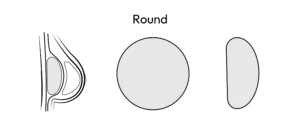
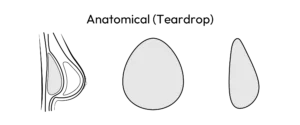
Round implants create even fullness throughout the breast, especially at the top, giving a “fuller” or more “augmented” appearance. These are often chosen by women who want a more noticeable cleavage or a perkier profile.
At your consultation, I’ll talk you through how each shape could look on your body, so you can make an informed choice.
6. What’s the Difference Between a Submuscular and Subglandular Implant Position?
The implant can be placed either beneath the chest muscle (submuscular) or directly under the breast tissue (subglandular). Each option has pros and cons:
Submuscular placement tends to look and feel more natural, especially if you have minimal natural breast tissue. It can take longer to recover from, but can make future mammograms easier and may reduce the risk of capsular contracture.
Subglandular placement involves less recovery time and provides more projection, but it’s better suited to women with moderate breast tissue to cover the implant.
Which is best? That depends on your anatomy, your lifestyle, and the type of implant you choose. I’ll help guide that decision so you feel confident about your outcome.
7. What Size Of Implants Should I Go For?
Instead of choosing a bra cup size, we’ll focus on what works best for your frame, proportions and lifestyle. Are you after a subtle change or something more noticeable? Do you run or work out often? Hoping to restore volume lost after pregnancy?
We’ll use visual tools to help you compare different sizes and shapes, so you can get a clear idea of what suits you. The aim is always the same – a balanced, natural-looking result that feels right for you.
8. What is Recovery Like After Breast Augmentation?
Many people are pleasantly surprised by how manageable the recovery process is. Most can return to light daily activities within a week. Full healing usually takes 4 to 6 weeks, during which it’s important to avoid heavy lifting and intense exercise.
I provide detailed aftercare guidance to every patient and remain available for support throughout your recovery. You’ll also find a range of helpful recovery tips in the Information Hub.
Wearing a supportive surgical bra, getting enough rest, and following guidance on scar care can make a real difference to both your healing and your final results.
9. Will My Implants Look Fake?
They don’t have to – and most of my patients want a result that looks and feels natural. By choosing the right implant size, shape, and placement for your body, we can achieve a result that enhances your figure without looking overdone.
Subtle, proportionate breast augmentation is what I specialise in.
10. How Long Do Breast Implants Last?
Breast implants aren’t considered lifetime devices, but they don’t have an expiry date either. On average, they last 10 to 15 years, though some patients experience no issues for much longer.
It’s important to attend regular check-ups to make sure everything remains in good condition. Should anything change, you have the option to schedule a replacement or revision when the time feels right for you.
Bonus Questions You May Still Be Wondering About…
Why Choose Enova Surgery for Your Breast Augmentation?
What sets Enova Surgery apart is the combination of clinical expertise and personalised care. I don’t believe in a one-size-fits-all approach – every patient is different, and so is every surgery.
Here’s what you can expect:
- Award-winning credentials
- An honest, patient-first approach
- Advanced surgical techniques
- Clear, supportive aftercare
- Natural-looking, long-lasting results
Whether you’re at the start of your journey or ready to book, I’m here to help guide you through every step.