



After Surgery: optimising your recovery
Optimise your health. Enhance your results.
Request a consultation









Optimise your health.
Enhance your results.
At Enova Surgery, we believe that preparation is just as important as the procedure itself. By making a few intentional changes to your lifestyle in the weeks before surgery, you can reduce your risk of complications and support a smooth, confident recovery.
We are invested in the success of your procedure, and the guidance below will help you to achieve your best outcome.
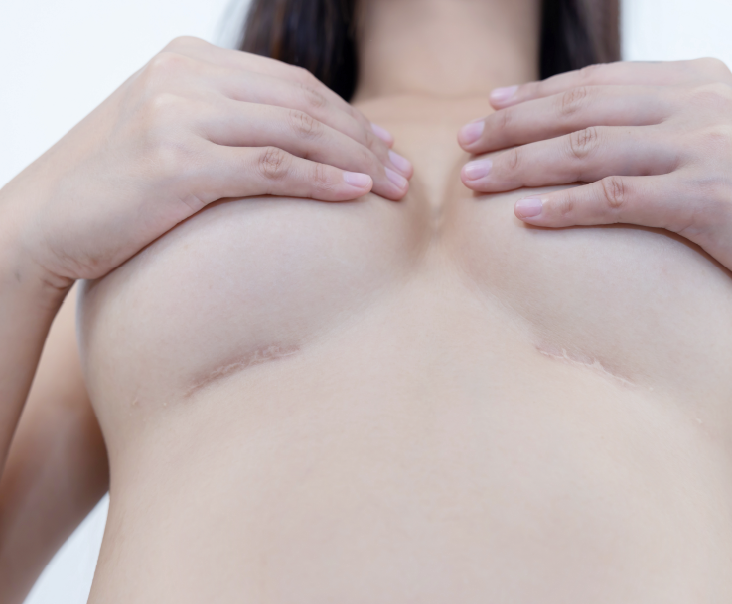
1. Wound and Scar Care
- Keep dressings clean and dry as instructed until your follow-up visit.
- Once your incisions are fully closed (usually 2–4 weeks post-op), begin scar treatment.
- Silicone gel or tape is the most effective way to minimise scarring – apply daily for 3–6 months.
- Gently massage scars with a fragrance-free moisturizer to keep tissue soft and supple.
- Protect scars from the sun – UV exposure can darken them. Use high SPF sunscreen or cover them for at least 12 months.
Most scars fade over time but can take 12–18 months to fully settle.
2. Wearing the Right Support Garment
- You will find helpful guides for your postoperative support garment in the Information Hub
- Wear a high-support compression garment (without underwires) day and night for at least 6 weeks.
- This helps reduce swelling, supports the healing tissue, and can improve scar outcomes and shape.

3. Pain Relief and Swelling
- Take pain relief as prescribed, especially in the first few days. Paracetamol and ibuprofen are usually enough.
- Avoid taking additional anti-inflammatories unless your surgeon agrees.
- Use cold packs gently in the early stages to help reduce swelling (wrapped in a towel – never directly on the skin).
- Expect some tightness or pressure for the first week or two. This usually settles as swelling reduces and the tissues adjust.

4. Movement and Activity
- First 2 weeks: Focus on rest – short walks are fine, but no lifting over 2 kg.
- Weeks 3–6: Gradually increase movement, but avoid chest/arm strain.
- After 6 weeks: You can slowly return to exercise – check with your surgeon first.
Most people can return to desk-based work after about 1-2 weeks, but full recovery takes longer – around 6 weeks before resuming exercise.

5. Nutrition to Support Healing
Aim for a balanced diet with plenty of:
- Protein (chicken, eggs, fish, legumes) – helps repair tissue
- Fruits and vegetables – rich in vitamins and antioxidants
- Whole grains – provide sustained energy
- Stay hydrated – drink at least 6-8 glasses of water a day.
Avoid restrictive diets during recovery – your body needs energy and nutrients to heal properly.

6. Nicotine and Alcohol
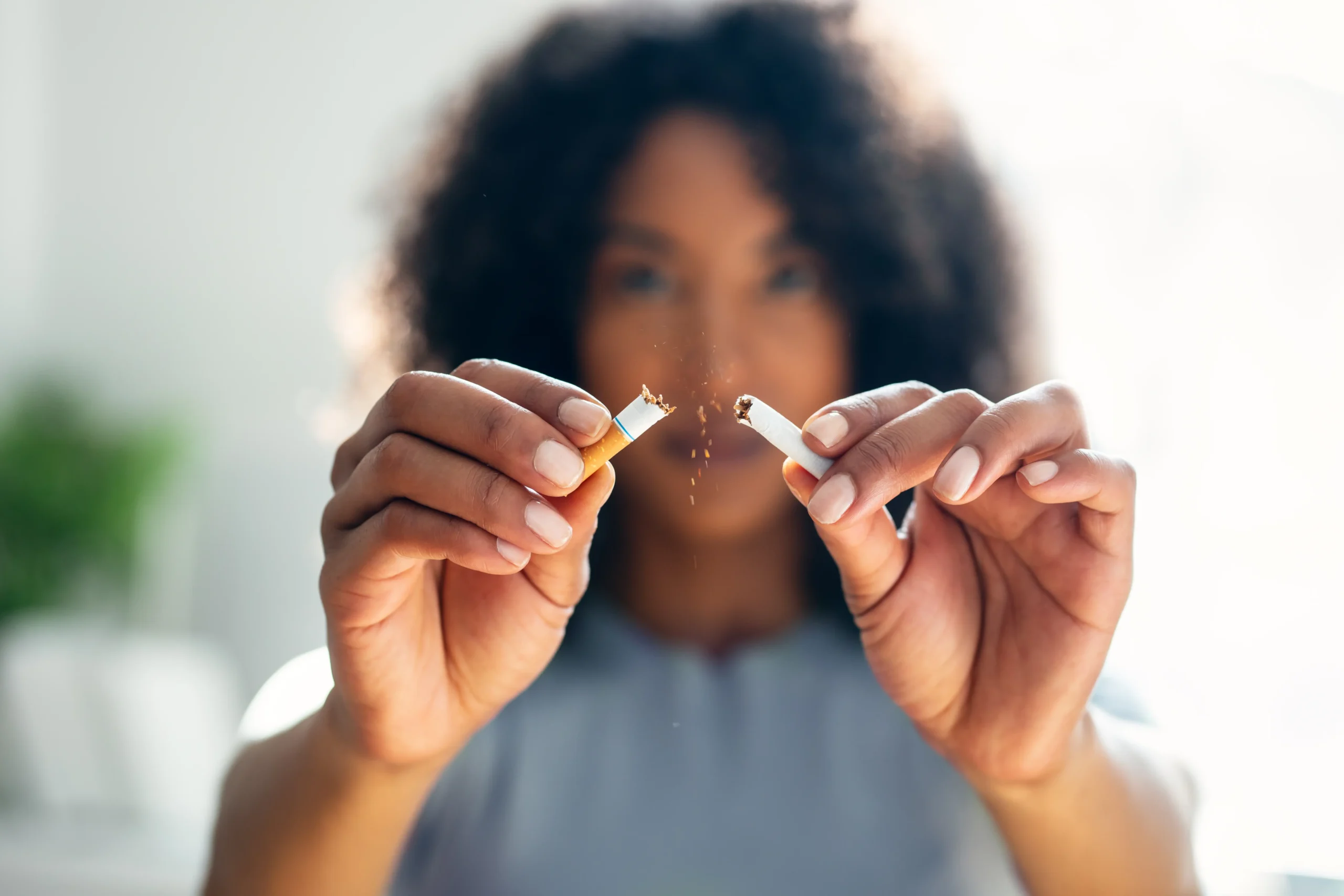
- Avoid nicotine for at least 4-6 weeks before and after surgery. This includes nicotine replacement, vaping and smoking. Nicotine restricts blood flow and increases the risk of wound healing problems, infection, and poor scarring.
- Limit alcohol – it can increase bleeding risk and interfere with medications.
7. Sleep and Resting Position
- Sleep on your back, propped up slightly (with 2–3 pillows or a pregnancy pillow) for the first few weeks. This reduces swelling and helps keep the tissues in position.
- Avoid sleeping on your front or side until your surgeon advises it’s safe.

8. Looking After Your Mood
It’s normal to feel emotional, tired, or a bit low in the first week or two. You’ve had surgery, an anaesthetic, and a change in your body – it’s a lot to process.
- Try to keep your routine gentle but consistent.
- Have someone to talk to, and don’t hesitate to reach out if you’re feeling anxious or overwhelmed.
- Keep in mind that swelling and bruising can make results look different in the early stages – things will settle.

9. Watch for Warning Signs
While complications are rare, contact your surgical team if you notice:
- Sudden swelling or pain in one breast
- Redness, warmth, or discharge from your wounds
- Fever or feeling unwell
- Difficulty breathing or chest pain (seek urgent help)

10. Follow-Up Appointments
Always attend your scheduled check-ups so your progress can be monitored and any concerns can be addressed early.

Reminder
Everyone heals at a slightly different pace. Be kind to yourself, listen to your body, and allow time for recovery. If you have any questions or are unsure about anything, get in touch with the team at Enova Surgery – we’re here to help.
When to Start
Begin making these changes at least 4–6 weeks before your surgery date. Think of it as an investment in you – for a safer operation, smoother healing, and results that last.
Your body will thank you – and so will your results.
Questions?
We’re here for you. If you’re unsure about any medications, supplements, or lifestyle changes, get in touch. Your safety and wellbeing are our priority at every stage.
Contact Us or speak to your surgical team.
Enquire today
To learn more or to book a consultation at Enova Surgery, simply complete our enquiry form. A member of our team will be in touch as soon as possible.
Related articles






- Surgical Procedures
- Information Hub
- Motiva Preservé™
- About Us
- Price List
- News
- Contact Us
