



Breast Reduction
Request a consultation







Breast Reduction
Breast reduction surgery is a procedure designed to reduce the overall size and weight of the breasts. It involves the removal of excess tissue and fat, not only to make the breasts lighter and more manageable, but often to provide a natural lift at the same time.
With Enova Surgery, many women choose breast reduction to relieve physical discomfort caused by disproportionately large breasts. Common concerns include chronic neck and back pain, shoulder grooves from bra straps, and difficulty finding comfortable clothing. For others, the motivation is to feel less self-conscious, improve posture, or regain confidence in their body. Lighter breasts can also make exercise and day-to-day activities far more comfortable and accessible.
Breast reduction can be a proactive way to prevent or alleviate a range of ongoing issues, such as:
- Persistent back or neck pain
- Postural concerns, including slouched shoulders or a “stooped” neck
- Shoulder pain due to bra strap pressure
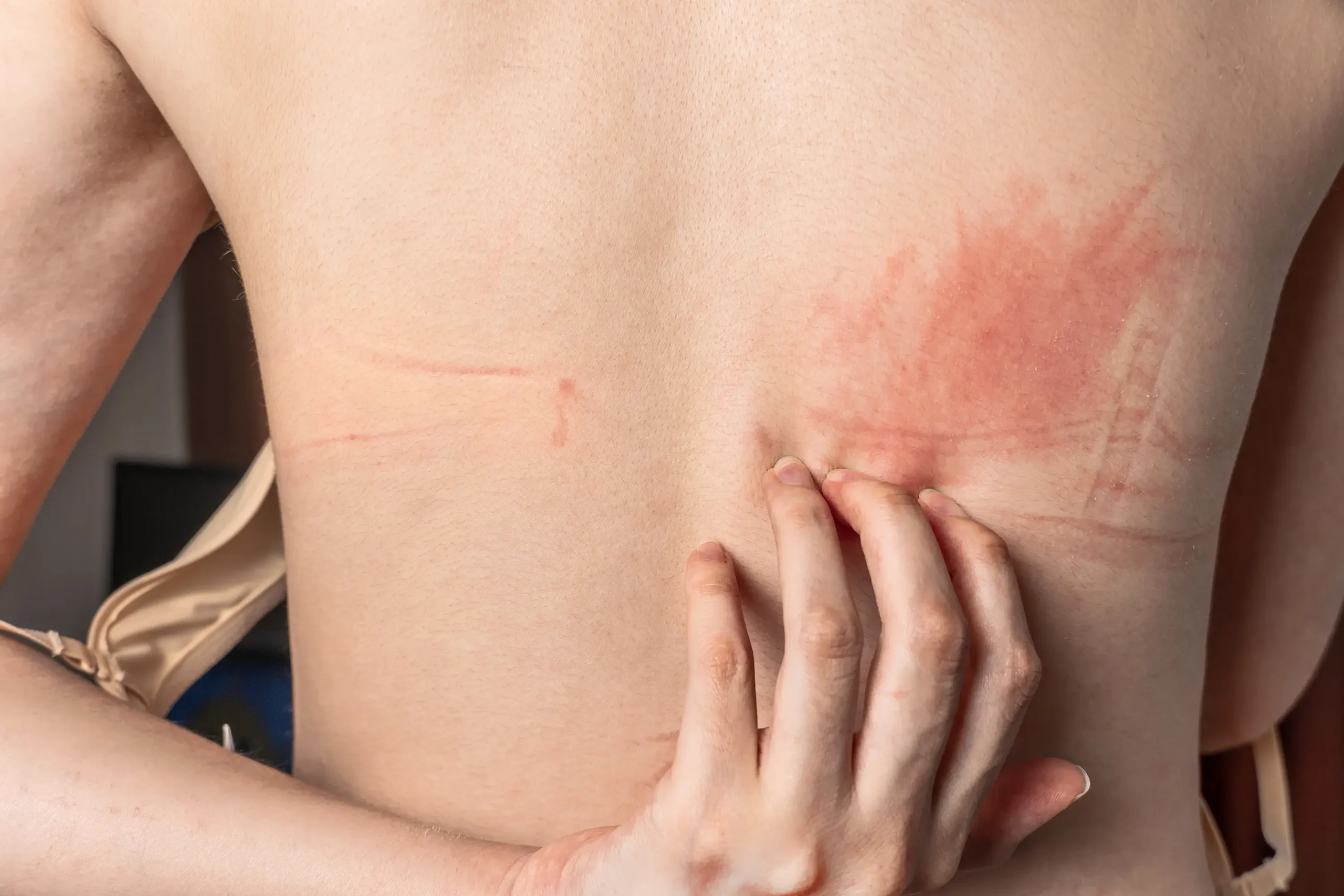
- Skin irritation, rashes, or eczema, particularly beneath the breast fold
- Trouble with physical activity or daily movements
This procedure is typically carried out under general anaesthetic as a daycase with Enova Surgery, meaning most patients can return home the same day. The specifics of your surgery, including the technique used and your recovery process, will depend on your individual needs and goals. We are here to ensure your journey is safe, supported, and tailored to you from consultation through recovery.

Breast Reduction at a Glance
Breast reduction surgery is usually performed under general anaesthetic as a day case procedure meaning that you are discharged home the same day. The figures shown here may vary depending on the type of surgery you have and your individual circumstances.

Aims of Surgery
Improve breast size & shape

Anaesthetic
General anaesthetic

Duration
2-3 hours

Time off Work
2-4 weeks

Driving
2 weeks

Exercise
4-6 weeks

Final results
3-6 months
Why choose Enova Surgery
At Enova Surgery, we are dedicated to renewing confidence, restoring well-being, and innovating in the field of breast surgery to provide exceptional care tailored to your individual needs.
Our Director, Mr. Ross McLean, is an award-winning Consultant Oncoplastic Breast Surgeon with a reputation for excellence and innovation; he is dedicated to providing the highest standard of care in breast surgery.
Among his many achievements, Mr. McLean was awarded the ASGBI Gold Medal - a prestigious honour given to the top surgeon in the UK for the FRCS Consultant Exam. This remarkable accomplishment highlights his exceptional skill, knowledge, and dedication to his craft, placing him among the top in his field.
His pursuit of excellence didn't stop there - he was awarded the National ABS Educational Fellowship in Cosmetic and Reconstructive Breast Surgery. Whilst operating in private practice, he honed his skills in cosmetic breast surgery to master aesthetic breast correction; breast augmentation, lifts, and reductions to help patients achieve their desired aesthetic goals.


Free Cosmetic Mini-Consultation (15 minutes)
We offer free 15 minute initial cosmetic mini-consultations. These can be in-person or via video consultation.
If you are considering cosmetic, revisional or another self-pay procedure but are unsure of your options and wish to have a brief discussion you may benefit from a free 15 minute mini-consultation. This will allow us to explore your options with no obligation.
After your mini-cosmetic consultation, if you wish to continue surgical discussions, then you can make an appointment for a full consultation. This has a one-time consultation fee of £200 which allows you to continue with as many additional consultations as you need – until you feel you fully ready for surgery.
For enquiries please contact Enova Surgery at info@enovasurgery.co.uk

Our Process

FIRST CONSULTATION
Once booked in to your initial consultation with Enova Surgery, we will take time to get to know you and understand your goals. We will discuss your medical history and any previous breast history. This is the ideal time to ask questions and discuss expectations for your procedure.

EXAMINATION AND ASSESSMENT
We will perform a full examination of your chest and perform measurements (if needed), all with a clinic chaperone. We will discuss surgical options with you and ensure that there is plenty of time for your questions.
SECOND CONSULTATION
At Enova Surgery, we believe it is best practice to offer a second consultation before you undergo any surgery with us. This will give you the time to ensure that you are making the right decision for yourself. We will always give you a “cooling-off period” of at least 14 days before undergoing any surgery.

SURGERY
On the day of your procedure, our priority is your safety and comfort. We will discuss your procedure again to confirm you have understood everything. We will perform surgical marking and take clinical photographs for your records. If you are having a general anaesthetic, you will also meet the Consultant Anaesthetist who will explain everything you need to know about your anaesthetic with you.

AFTER SURGERY
Excellent aftercare is the cornerstone of your recovery, and is as important as the procedure itself. You will attend follow-up appointments to check your progress, change your dressings and to remove any sutures if needed. You will receive guidance on how to contact us if you have any questions or concerns during your recovery.
Read more about breast reduction surgery Read more about this service
Is Breast Reduction Surgery Right for Me?
Many women choose breast reduction to feel more confident in their bodies. There are many reasons for considering a breast reduction.
If you are struggling with the size and weight of your breasts, you’re not alone. Large, heavy breasts can lead to physical discomfort – chronic back, neck and shoulder pain are common, and bra straps can leave deep grooves in your shoulders. The skin underneath the breasts can also become irritated or sore from constant rubbing.
Beyond the physical symptoms, you might feel limited in how you move, exercise, or dress. Many women find that heavy breasts make it difficult to stay active, which can affect your overall health and wellbeing. It’s also not unusual to feel self-conscious about drawing unwanted attention or to find it hard to shop for clothes or enjoy holidays the way you’d like.
With Enova Surgery, we understand how much this can affect your confidence and quality of life. Breast reduction surgery can relieve physical discomfort, create better balance with the rest of your body, and help you feel more comfortable in yourself.
After surgery, most women find they can move more easily, enjoy exercise again, wear the clothes they want to – and most importantly, feel more confident and in control of their body.

Am I Eligible for Breast Reduction Surgery?
If you have large breasts and are experiencing back, neck or shoulder pain, breast reduction surgery may be a helpful solution. It’s not only about reducing breast size – it is also about relieving discomfort and improving your quality of life. The procedure can help bring your breasts into better proportion with your frame, making everyday activities and movement easier.
You might consider breast reduction if you are dealing with:
- Ongoing back or neck pain
- Poor posture, including a stooped neck or rounded shoulders
- Shoulder discomfort from bra straps digging in
- Skin problems like rashes, irritation or eczema under the breasts
- Difficulty exercising or performing daily tasks due to breast size
Whether you’re looking to ease existing symptoms or take steps to prevent future issues, breast reduction can offer real, lasting relief.
You may be a good candidate if you:
- Are over 18 and in good general health
- Don’t smoke and aren’t overweight
- Have realistic expectations about the outcome
What to Expect from the Consultation?
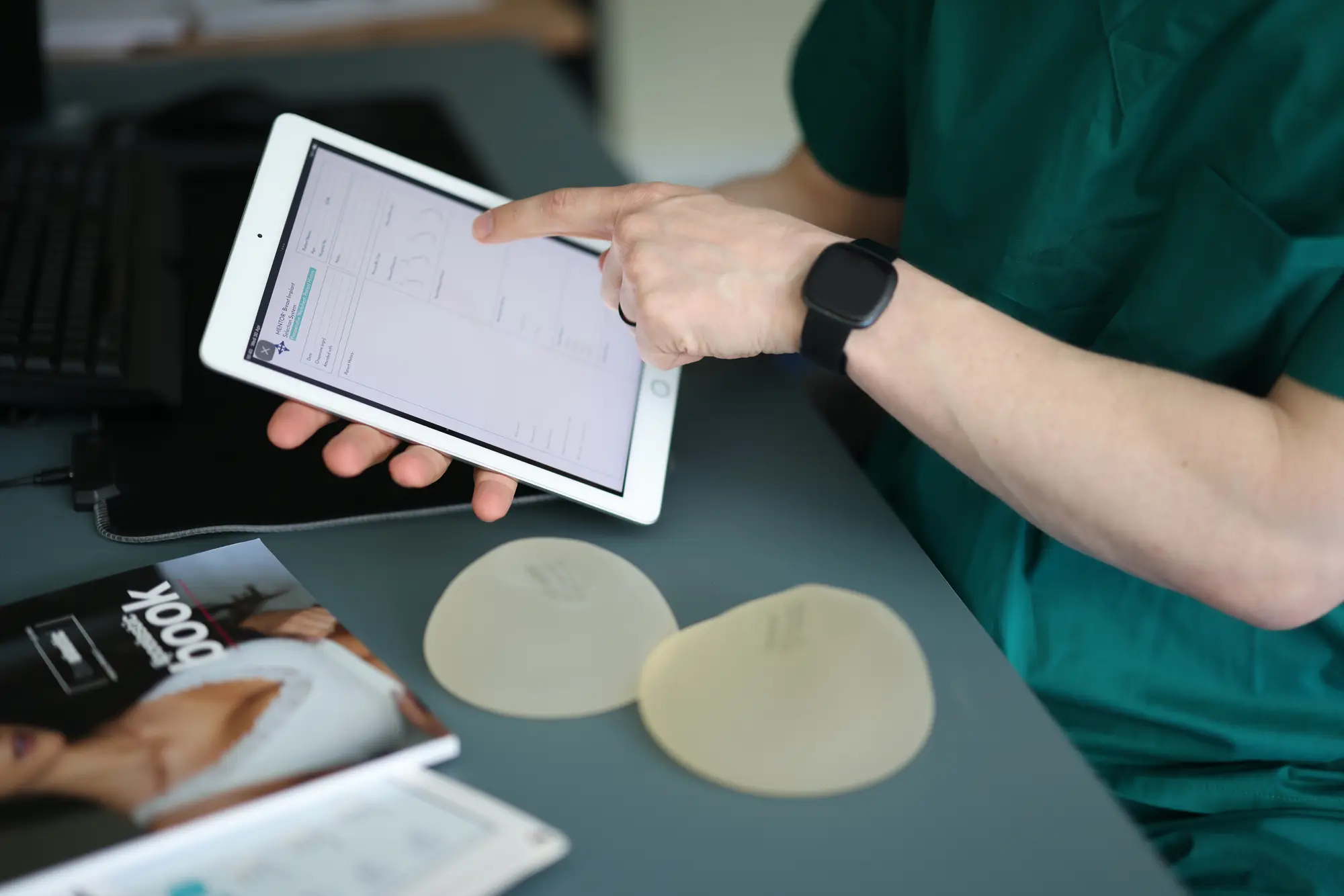
Your journey begins with Enova Surgery during a one-on-one discussion with Mr McLean, an award-winning breast surgeon who is trained in cosmetic breast surgery. He will:
- Review your medical history (including medications and allergies) and your breast history
- Listen carefully to your goals and concerns
- Perform a thorough physical examination, assessing:
- Breast shape, symmetry, and chest wall structure
- Skin quality and tissue thickness
- Any pre-existing asymmetry or anatomical variations
Mr McLean will explain your options in detail, and discuss:
- Incision types
- Your desired breast size following surgery
- Potential risks and recovery expectations
He will also demonstrate before and after photos of other patients who have had similar procedures. Don’t forget – this is your time to ask questions – no detail is too small!
What Options are Available for
Breast Reduction Surgery?
Mr McLean is an expert in breast reduction surgery, and is well known for his breast reduction training for the next generation of breast surgeons. There are a range of different approaches to breast reduction and the scar pattern that you could expect will depend on your individual circumstances.
Breast reduction surgery is carefully designed to reshape and reposition your breasts for both aesthetic and functional improvement. The main principles behind breast reduction surgery are:
- Repositioning your nipple: your nipple is movedhigher on the chest to a natural, youthful position that balances with your body shape.
- Resizing the areola (if needed): if your areolas have stretched over time, they can bereduced in size for better proportion with your new breast shape.
- Removing excess skin: loose or sagging skin is trimmed and tightened to create a firmer, more lifted breast contour.
- Reducing breast volume: excess breast tissue and fat are removed to achieve a lighter, more comfortable breast size while maintaining a natural shape.
These lead to results that achieve:
- A breast size that fits your frame better.
- Relief from discomfort caused by heavy breasts.
- A more youthful, uplifted appearance.
Surgical techniques for breast reduction surgery
The most common techniques that are used in breast reduction surgery include:
Small inverted-T reduction
This is a variation of the above techniques where an inverted-T scar is used, however the scar under the bra line is shorter than the classical Wise-pattern technique.
Wise-pattern breast reduction
(also called anchor or inverted-T) – this is a very common technique and used when a large amount of breast tissue or skin needs to be removed. At the same time it will be possible to create a significant lift in the position of your nipple. The scars for this technique will be around your areola, along the bra line under your breast and a vertical scar between your areola and bra line.The length of the horizontal scar depends upon how much tissue needs to be removed in the flank area and Mr McLean aims to ensure the scars are as short as possible.

Vertical scar breast reduction
(also called “lollipop” incision) – this is a technique which is used when a smaller amount of breast tissue is removed. The scars for this will be around your areola and a vertical scar going down from your areola to your inframammary crease.

Periareolar reduction
(also called “donut” incision)– this is a less common technique where only a small amount of breast tissue is removed. The scar for this will only be around your areola.

When Will I be Able to see my Results?
Breast reduction surgery will produce immediate results and you will see that the size and weight of your breasts have reduced right after surgery. There will be some swelling from surgery, which will take a couple of weeks to subside.

Frequently Asked Questions
Pre-operatively, you will be seen by the pre-assessment team who will advise you if any changes to your medications are required before surgery. We have provided advice on strategies for your lifestyle to optimise your surgery recovery and outcome in our Information Hub. “Practice” sleeping on your back – If you’re a side/stomach sleeper, train yourself pre-surgery to avoid accidental strain post-op. Use a pregnancy pillow for support.
Information HubAfter surgery, there are lots of ways to invest in your recovery to optimise your surgery outcome. We have written an article with our advice in the Information Hub which covers the strategies that we would recommend to you.
Information HubNormally for patients undergoing cosmetic breast surgery we would recommend a mammogram for if you are aged over 40 or for those who have other risk factors, such as a family history of breast cancer. It is rare to find anything wrong in the breast tissue removed at the time of a routine breast reduction. For this reason, it is not usual to send the tissue to a laboratory for examination under the microscope. However, if there is a strong family history of breast cancer or a previous history of breast disease, then we are likely to advise that the tissue be examined further.
While some women retain the ability to breastfeed after breast reduction surgery, this is uncommon. You should assume breastfeeding will not be possible, regardless of how much time passes before having children. The ability to produce breast milk depends on the remaining breast being connected to the nipple by the breast ducts and these ducts are usually cut during surgery. If you wish to breastfeed, it would be sensible to delay breast reduction surgery until after you have completed your family
You should wait six months to a year after pregnancy/breast-feeding before considering a breast reduction, as during this time your breasts will be getting smaller (involuting) and there is a danger if you have a breast reduction too soon after a pregnancy, your breasts will end up too small. There is also a risk that surgery will provoke the breasts to start lactating again.
Unfortunately, we cannot guarantee specific postoperative cup sizes, but most patients are very happy with their results. During your consultation, cup sizes will be discussed but these are often inaccurate as they vary between bra manufacturers, and also many patients have never been formally measured.
In the early post-operative period, the breasts will be swollen and it may take six months for your final size to be revealed. This will be influenced by any weight loss or gain during this period.
Your final breast size depends on your body’s fat distribution, which can change if you gain weight after surgery. Breasts also contain glandular tissue that may respond to hormones – some patients (especially younger women) experience continued growth due to oestrogen and progesterone, and pregnancy can influence this also. In these cases, a second reduction may eventually be needed.
Additionally, if your breasts were very heavy before surgery, the supporting ligaments may have stretched permanently. Over time, this can lead to natural drooping (ptosis), even after reduction. While results are long-lasting for most patients, these factors can influence your outcome.
Breast reduction surgery is a safe and commonly performed procedure, but like all surgeries, it carries some risks. Mr McLean leads efforts to reduce complications and improve the safety of breast reduction surgery by ‘stacking marginal gains’. This has resulted in excellent outcomes following surgery for his patients.
The overall complication rate for routine breast reduction is less than 10% and most of these are minor problems. While serious complications are rare, it is important to be fully informed before making your decision. Below are some possible risks and how they are managed.
- Scar – this will depend on the type of breast reduction surgery that you have and will be discussed with you at your consultation
- Haematoma (bleeding)– a collection of blood may cause swelling and pain. Small haematomas resolve on their own, but large ones may need a second operation to remove the blood clot and stop bleeding.
- Seroma (fluid accumulation)– a small amount of fluid may collect in the breast post-surgery. Most resolve naturally, but symptomatic cases may require needle aspiration.
- Infection– some minor wound infections may require antibiotic treatment.
- Wound healing problems – occasionally, there may be areas that take a bit longer to heal due to either infection or impaired blood supply. If there is a lot of tension around the vertical scar then there may be a minor problem where the vertical scar meets the infra-mammary scar (the ‘T junction’).
- Abnormal scarring – in very young and/or darker skinned patients the scars can thicken, become raised and itchy after surgery (scar hypertrophy) and in severe cases become keloid scars. This is very rare and can be treated.
- Loss of nipple sensation– temporary numbness in the first few months is common, with permanent numbness seen rarely (more common in very large breasted patients.
- Nipple blood supply issues – when repositioning the nipple to the more youthful position, the nipple is kept alive on a pedicle of breast tissue (with its own blood supply). Very rarely the blood supply can be interrupted, which can lead to a range of outcomes from skin scabbing and discolouration to partial nipple necrosis or complete loss.
- Breast asymmetry– there may be minor asymmetry in size, volume or shape between the two breasts and in particular in the shape of the nipple areolar complex. It is important to realise that any asymmetry in the nipple areolar complex prior to surgery will remain. Adjustment may occasionally be necessary.
- Fat necrosis – if the breast is very fatty, then when it is incised some areas of fat may lose their blood supply and die. This will become evident in the postoperative period with an area of hardness in the breast. This can occasionally lead to contour irregularities in the breast shape. In most cases it resolves, without treatment, over a 3-6 month period.
It is important that the breasts are held in place firmly for the first few weeks after the surgery and a well-fitted surgical bra helps. At Enova Surgery, we have included a resource to assist you in selecting your postoperative bra. Please bring one of the bras to theatre with you so that it can be put on at the end of the operation whilst you are still asleep.
These bras need to be worn for six weeks following the surgery, both during the night for sleeping and during the day. You should then be fitted for your new regular underwear.
Post-operative Bra AdviceThe Department of Health give advice on protecting patients who are considering cosmetic surgery.
Specific advice regarding breast reduction can be obtained from The British Association of Aesthetic Plastic Surgeons:
- Read more about Breast Reduction
- Visit the The British Association of Aesthetic Plastic Surgeons website
Patient Information Hub
At Enova Surgery, we want you to have the best possible experience – from your first consultation through to full recovery. For detailed guidance on preparing for surgery, what to expect during recovery, and how to optimise your results, explore our Patient Information Hub.
Enquire today
To learn more or to book a consultation at Enova Surgery, simply complete our enquiry form. A member of our team will be in touch as soon as possible.
Related articles





- Surgical Procedures
- Information Hub
- Motiva Preservé™
- About Us
- Price List
- News
- Contact Us
