










Breast Enlargement Surgery
Breast enlargement surgery, also known as breast augmentation – or more informally, a “boob job” – remains one of the most sought-after cosmetic procedures in the UK.
This procedure is typically performed under general anaesthetic and is completed as a day case with Enova Surgery, allowing patients to return home the same day. The surgical process involves placing implants either beneath the breast tissue or under the chest muscle, depending on your anatomy and the look you wish to achieve. We will guide you through these options during your consultation to ensure the approach aligns with your goals and lifestyle.
Recovery times vary from person to person, but most individuals are able to resume light daily activities within a few days, with full recovery taking a few weeks. With Enova Surgery, your safety and comfort are our top priorities, and we provide comprehensive aftercare support to help you heal well and feel confident throughout your recovery. Our team is here to ensure you’re well-informed every step of the way, so you can focus on enjoying the transformation and the renewed sense of confidence that often comes with it.

Breast Enlargement At a Glance
Breast enlargement surgery is usually performed under general anaesthetic as a day case procedure meaning that you are discharged home the same day. The figures shown here may vary depending on the type of surgery you have and your individual circumstances.

Aims of Surgery
Improve breast size & shape

Anaesthesia
General anaesthetic

Duration
1-2 hours

Time off Work
1-2 weeks

Driving
1-2 weeks

Exercise
4-8 weeks

Final results
3-6 months
Why choose Enova Surgery
At Enova Surgery, we are dedicated to renewing confidence, restoring well-being, and innovating in the field of breast surgery to provide exceptional care tailored to your individual needs.
Our Director, Mr. Ross McLean, is an award-winning Consultant Oncoplastic Breast Surgeon with a reputation for excellence and innovation; he is dedicated to providing the highest standard of care in breast surgery.
Among his many achievements, Mr. McLean was awarded the ASGBI Gold Medal - a prestigious honour given to the top surgeon in the UK for the FRCS Consultant Exam. This remarkable accomplishment highlights his exceptional skill, knowledge, and dedication to his craft, placing him among the top in his field.
His pursuit of excellence didn't stop there - he was awarded the National ABS Educational Fellowship in Cosmetic and Reconstructive Breast Surgery. Whilst operating in private practice, he honed his skills in cosmetic breast surgery to master aesthetic breast correction; breast augmentation, lifts, and reductions to help patients achieve their desired aesthetic goals.


Free Cosmetic Mini-Consultation (15 minutes)
We offer free 15 minute initial cosmetic mini-consultations. These can be in-person or via video consultation.
If you are considering cosmetic, revisional or another self-pay procedure but are unsure of your options and wish to have a brief discussion you may benefit from a free 15 minute mini-consultation. This will allow us to explore your options with no obligation.
After your mini-cosmetic consultation, if you wish to continue surgical discussions, then you can make an appointment for a full consultation. This has a one-time consultation fee of £200 which allows you to continue with as many additional consultations as you need – until you feel you fully ready for surgery.
For enquiries please contact Enova Surgery at info@enovasurgery.co.uk

Our Process

FIRST CONSULTATION
Once booked in to your initial consultation with Enova Surgery, we will take time to get to know you and understand your goals. We will discuss your medical history and any previous breast history. This is the ideal time to ask questions and discuss expectations for your procedure.

EXAMINATION AND ASSESSMENT
We will perform a full examination of your chest and perform measurements, all with a clinic chaperone. You can try implant sizers during the consultation to visualise different implants. We will discuss the Rice Test with you to try at home. We will discuss surgical options with you and ensure that there is plenty of time for your questions.
SECOND CONSULTATION
At Enova Surgery, we believe it is best practice to offer a second consultation before you undergo any surgery with us. This will give you the time to ensure that you are making the right decision for yourself. We will always give you a “cooling-off period” of at least 14 days before undergoing any surgery.

SURGERY
On the day of your procedure, our priority is your safety and comfort. We will discuss your procedure again to confirm you have understood everything. We will perform surgical marking and take clinical photographs for your records. If you are having a general anaesthetic, you will also meet the Consultant Anaesthetist who will explain everything you need to know about your anaesthetic with you.

AFTER SURGERY
Excellent aftercare is the cornerstone of your recovery, and is as important as the procedure itself. You will attend follow-up appointments to check your progress, change your dressings and to remove any sutures if needed. You will receive guidance on how to contact us if you have any questions or concerns during your recovery.
Read more about breast enlargement surgery Read more about this service
Is Breast Enlargement Right for You?
Many women choose breast augmentation to feel more confident in their bodies. Whether you have always wanted fuller breasts, noticed changes after pregnancy or weight loss, or simply wish for better balance in your figure, this procedure can help you achieve natural-looking results.
You may be a good candidate if you:
- Are over 18 and in good general health
- Don’t smoke and aren’t overweight
- Have realistic expectations about the outcome
- Feel your breasts are too small or have lost volume
During your consultation with Enova Surgery, Mr McLean will assess whether breast implants are the best option for you. In some cases, alternative techniques – like a breast lift, fat transfer, or auto-augmentation – may be recommended to achieve your goals using your own tissue.
What to Expect from the Consultation?
Your journey begins with Enova Surgery during a one-on-one discussion with Mr McLean, an award-winning breast surgeon who is trained in cosmetic breast surgery. He will:
- Review your medical history (including medications and allergies) and your breast history
- Listen carefully to your goals and concerns
- Perform a thorough physical examination, assessing:
- Breast shape, symmetry, and chest wall structure
- Skin quality and tissue thickness
- Any pre-existing asymmetry or anatomical variations
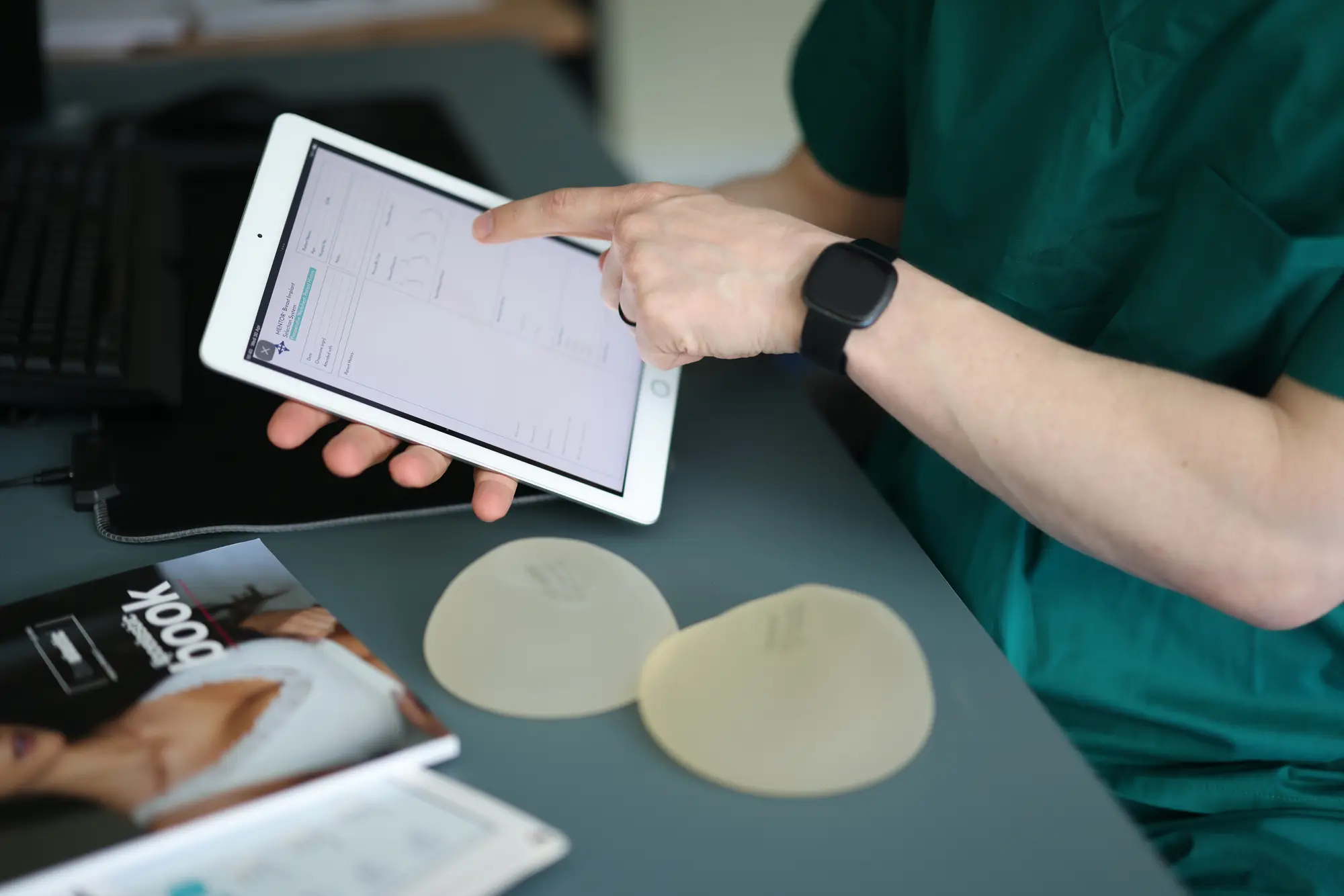
You will then have the opportunity to try on different implant sizers (feel free to bring a fitted top or swimsuit to visualize the results). Mr McLean will explain all your options in detail, including:
- Implant types, shapes and surface texturing
- Placement techniques (over or under the muscle)
- Incision locations (discreetly hidden)
- Potential risks and recovery expectations
This is your time to ask questions – no detail is too small!
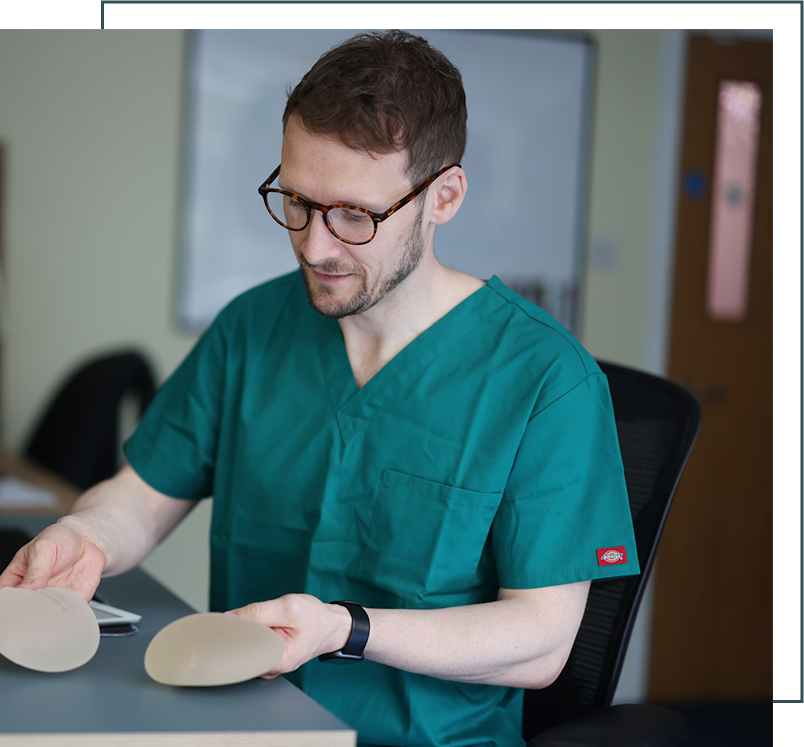
Choosing Your Implant Size
Mr McLean will discuss with you the type of ‘look’ that you would like to achieve. Some patients want as a natural a look as possible and others want a ‘breast augmented look’ with a fuller upper breast. This will help determine implant shape and size.
During your consultation, you will:
- Try a range of implant sizers to find your ideal fit
- Discuss how different volumes complement your body proportions
- Understand that cup sizes are a guide (final results vary based on your anatomy)
The chest measurements will aid Mr McLean in deciding on the width, height and projection of the implant needed. Medical photographs will be taken and uploaded to your record at the consultation. These are an excellent way of visualising your preoperative chest wall and breast shape.
A range of implant sizes will be recommended, and you can try these implant sizers in a bra, to help narrow the range. Preoperatively the implant size is decided upon, and then several sizes of implants for the operation will be ordered, one either side of the recommended size. This allows the final decision to be made during the operation, thus producing the best possible result. The unused implants are returned to the manufacturer without cost to you.
Most patients seek a 1–2 cup size increase, but your outcome will be uniquely yours. Mr McLean will advise you to spend time after the consultation utilising the implant rice evaluation.
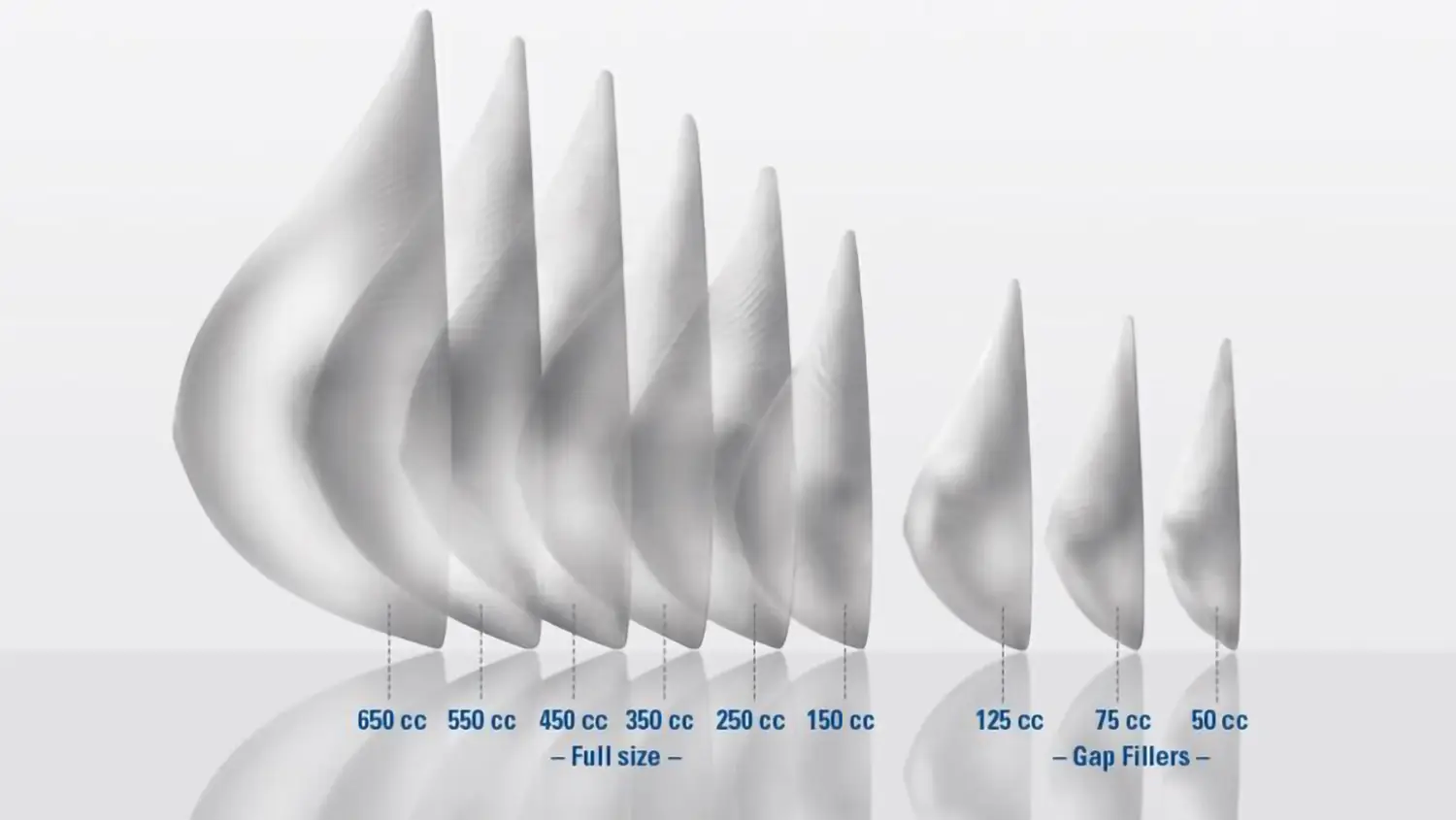
Choosing Your Implant Type
Smooth or Textured?
Modern implants come with different surface textures:
- Smooth: soft feel, may move more naturally
- Textured: designed to reduce complications like capsular contracture
Mr McLean uses both smooth and textured implants depending upon the desired result. He will inform you of his recommendation for you and why he has made that recommendation. He will explain the pros and cons of each, helping you choose the safest option for your body.
Implant Shape
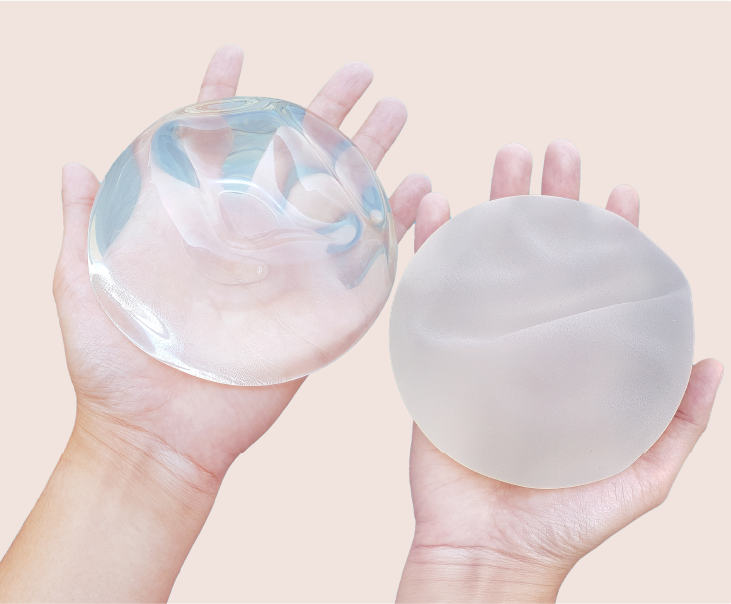
When choosing breast implants, one of the most important decisions is selecting between anatomical (teardrop) and round shapes. Both create beautiful results, but they achieve slightly different aesthetic effects.
Anatomical implants, often called “teardrop” implants, are designed to mimic the natural contour of the breast – fuller at the bottom with a gentle taper toward the top. These are particularly popular among women who want a subtle enhancement or are restoring volume after pregnancy or weight loss. The teardrop shape can be ideal for slender frames or those with minimal natural breast tissue, as it creates a very natural slope. However, because of their asymmetrical design, they need to maintain perfect positioning – although modern textured surfaces make rotation very rare.

Round implants offer uniform fullness throughout, creating more upper breast volume which many women appreciate for enhanced cleavage. While some consider round implants to look “artificial”, modern implant designs move and feel naturally – especially with cohesive silicone gel. A key advantage is that they maintain their shape regardless of position, so do not suffer the problem of distortion from implant rotation and have very good long-term durability. Many patients find round implants give them that ideal balance of natural feel with enhanced projection.

At your consultation, Mr McLean will discuss how different shapes complement your unique anatomy. Factors like your:
- Existing breast tissue
- Chest width
- Desired profile (modest vs. more enhanced)
- Lifestyle and activity level
all play a role in determining which shape will help you achieve your ideal look. In the consultation, there will be sample implants for you to try and simulate how each might look on your frame. Remember, there’s no universally “better” option – just what’s better for you and your goals.
Implant Location
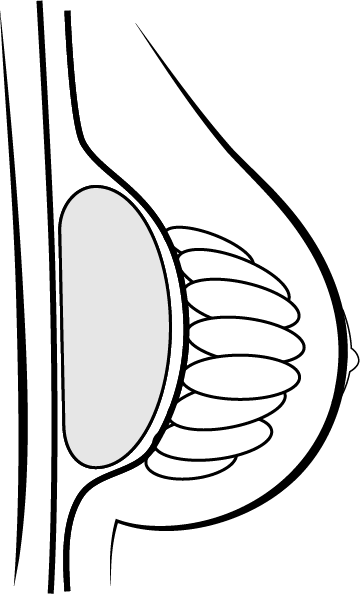
Implant placement in breast augmentation is a key decision that influences the final look, feel, and recovery process. Most commonly, the implant will be placed either in the subglandular position (between the breast tissue and the muscle on the chest wall) or in a submuscular position (beneath the muscle on the chest wall). Dual-plane placement is a hybrid of both of these involving placing the implant partly under the muscle and under the breast tissue.
The key factors involved in this decision depend on the amount of breast tissue present and the breast skin laxity. Further considerations include:
- Body Type: those with more natural breast tissue may prefer subglandular placement for a fuller, softer look. For those with less tissue, submuscular placement provides a more natural contour.
- Desired Outcome: for a natural slope, submuscular placement is ideal. If a fuller top or quicker recovery is preferred, subglandular might be the better choice.
- Activity Level: active individuals may prefer subglandular placement to avoid muscle movement affecting the implants.
- Size of Implant: larger implants often do better under the muscle for added support. Smaller implants may work well over the muscle.
Each option has its unique features, and a consultation with Mr McLean will help determine the best choice for your specific needs. Mr McLean is trained in these different variations of the procedure and will advise on which options are available to you. He will discuss the pros and cons of each.
Subglandular Placement
(Over the Muscle)
During this procedure, the breast implant is placed directly under the breast tissue but on top of the chest (pectoral) muscle.
Advantages:
- Faster and less painful recovery (muscle not disturbed)
- Fuller upper breast appearance immediately after surgery
- More natural movement (no animation from the muscle)
- Ideal for women with sufficient breast tissue – offers a natural look without needing muscle coverage.
Considerations:
- Higher chance of visible rippling (if breast tissue is thin)
- Slightly higher risk of capsular contracture
- Implants may be more palpable or feel less natural
Best for: Women with moderate natural breast tissue who want quicker recovery or a more pronounced cleavage.
Submuscular Placement
(Under the Muscle)
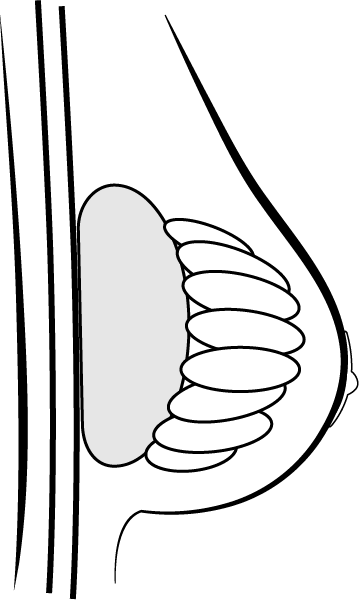
During this procedure, the breast implant is placed beneath the pectoral muscle on the chest wall. The muscle covers the implant, providing an extra layer of tissue between the implant and the skin. However, this does not always completely fill out the breast skin because the muscle can restrict the expansion of the breast.
Advantages:
- More natural-looking breast, especially for slender patients
- Lower risk of visible rippling (ideal for thin breast tissue)
- Easier mammogram imaging (muscle pushes implant back)
- Reduced risk of capsular contracture (scar tissue hardening)
Considerations:
- Longer initial recovery (muscle needs time to adjust)
- May feel tighter initially during movement
- Slightly higher chance of “animation deformity” (implant movement when flexing chest muscles)
Best for: Women with minimal natural breast tissue, athletic builds, or those prioritising a natural look.
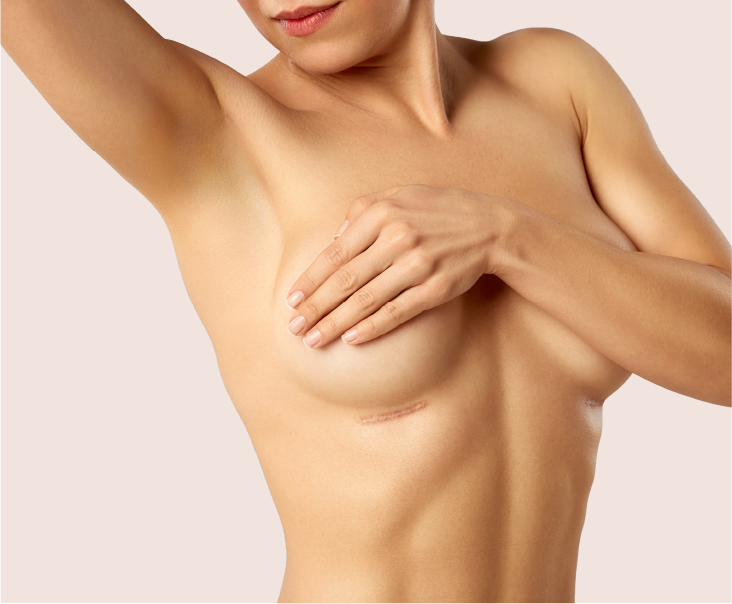
Where will the incisions be?
The most common incision used is about 5cm long and close to the infra-mammary fold (crease of skin beneath the breast). This allows good access to correctly position the implant whilst placing the scar in an area that usually heals well and is not obviously seen.
Less frequently used incisions can be placed in the axilla (arm pit) or around the nipple. Each incision has advantages and disadvantages,
Frequently Asked Questions
Pre-operatively, you will be seen by the pre-assessment team who will advise you if any changes to your medications are required before surgery. “Practice” sleeping on your back – If you’re a side/stomach sleeper, train yourself pre-surgery to avoid accidental strain post-op. Use a pregnancy pillow for support.
Information HubAfter surgery, there are lots of ways to invest in your recovery to optimise your surgery outcome. We have written an article with our advice in the Information Hub section which covers the strategies that we would recommend to you. You can read this here.
Information HubUnfortunately, we cannot guarantee specific postoperative cup sizes. During your consultation, cup sizes will be discussed but these are often inaccurate as they vary between bra manufacturers, and also many patients have never been formally measured. Cup size is often used during the consultation as a guide to how much change is desired, although no guarantee is given to achieve this exact amount, again because cups sizes are so variable.
Mr McLean has had experience with a wide range of implants. Some of the implant brands that he uses are Motiva (including Ergonomix implants), Nagor, Mentor and Polytech (including B-Lite implants). The choice and suitability of different implant types will be discussed at your consultation.
Certainly there has been a lot of media attention surrounding the use of silicone in breast implants, particularly following the PIP implant scandal. Minute quantities of silicone can diffuse, or ‘bleed’, through the silicone casing of the implant and at present there is no evidence to suggest that silicone from breast implants causes disease, however, the long-term effects of silicone continue to be studied.
Breast implants do not increase the chances of getting breast cancer and women with breast implants who develop breast cancer have the same prognosis (overall outcome from the cancer) as women without implants. However, breast implants can potentially interfere with routine mammography by ‘hiding’ areas of breast tissue, making it difficult to interpret the results. When attending for mammography, inform the team that you have a breast implant and they can adapt their imaging to overcome this problem. Normally for patients undergoing cosmetic breast surgery we would recommend a mammogram for if you are aged over 40 or for those who have other risk factors, such as a family history of breast cancer.
A further consideration is a rare type of lymphoma associated with breast implants. This is known as Breast Implant Associated Anaplastic Large Cell Lymphoma (BIA-ALCL), which is a type of cancer involving cells of the immune system. ALCL has generally been found within the capsule surrounding the implant. It is thought to occur at a rate of 1 in 18,000 cases of breast augmentation with textured implants per year, and hence is rare. It is also treatable with surgery alone in the majority of cases.
Another, much rarer type of cancer, BIA-SCC, a squamous cell carcinoma, has also been reported. It occurs in the capsules surrounding breast implants. To date there have been around 20 cases reported world-wide, and they occur in both smooth and textured implants, and present 11-40 years after the implant surgery. Patients may present with swelling, pain, redness or hardness. Furthermore, we may also discover new problems in the future.
The insertion of a breast implant does not routinely interrupt the ducts that connect the breast tissue to the nipple and breast feeding should therefore be unaffected. The present state of knowledge also shows that silicone does not affect breast milk and that it is quite safe to breast feed. If the nerve supply to the breast and nipple has been damaged, this may affect the ability of the milk to be produced although this is extremely rare.
After any breast augmentation, your body naturally forms a thin layer of scar tissue around the implant called a capsule. In most cases, this capsule remains soft and flexible – you won’t even notice it’s there. However, in some women (about 10% within the first five years), this scar tissue can thicken and tighten around the implant, causing the breast to feel firm, appear misshapen, or even become painful. This is called capsular contracture, and whilst it can develop at any time – even years after surgery – it can usually be corrected with a minor procedure to release the scar tissue and replace the implant if needed.
Why does it happen?
While the exact cause isn’t fully understood, research suggests that low-grade bacterial exposure(often from the skin or nipple ducts) may trigger an inflammatory response, leading to excessive scar tissue formation. Even tiny amounts of bacteria can form a “biofilm” on the implant’s surface, which may contribute to tightening over time.
How do we reduce the risk?
Placing the implant under the muscle, rather than under the breast tissue alone, seems to reduce the chances of capsular contracture. However, this is likely to be due to the muscle coverage making a mild capsule less obvious, rather than a true reduction in capsular contracture. Polyurethane texturing also reduces the ability of the tissue to tighten around the implant.
Mr McLean uses advanced surgical strategies to minimise the chances of capsular contracture, including:
- Nipple shields– sterile coverings prevent bacteria from the nipple ducts from contacting the implant.
- No-touch implant delivery– this avoids skin contact with the implant.
- Antibacterial wash– the implant is rinsed with an antiseptic to further reduce infection risk.
While no method can completely eliminate the risk, these steps significantly improve long-term results. During your consultation, Mr McLean will discuss which techniques are best suited for your anatomy and goals.
Breast augmentation is a safe and commonly performed procedure, but like all surgeries, it carries some risks. The overall complication rate for routine breast augmentation is less than 10% and most of these are minor problems. While serious complications are rare, it is important to be fully informed before making your decision. Below are some possible risks and how they are managed.
- Scar – the incision will commonly be hidden in or beneath the crease under your breast (inframammary fold).
- Haematoma (bleeding)– a collection of blood around the implant may cause swelling and pain. Small haematomas resolve on their own, but large ones may need a second operation to remove the blood clot and stop bleeding.
- Seroma (fluid accumulation)– a small amount of fluid may collect around the implant post-surgery. Most resolve naturally, but symptomatic cases may require needle aspiration.
- Infection– some minor wound infections may require antibiotic treatment. Implant infection is rare but possible, in severe cases, temporary implant removal may be required.
- Capsular contracture– your body naturally forms a thin scar capsule around the implant. In some cases, this capsule tightens, making the breast feel firm or altering its shape. If severe, surgery may be needed to release the scar tissue or replace the implant.
- Changes in nipple sensation– temporary numbness or heightened sensitivity is common. For most women, sensation returns to normal, but in rare cases, changes may be permanent.
- Implant rupture– modern silicone implants are highly durable, but if rupture occurs, silicone can leak within the capsule (intra-capsular rupture) or outside the capsule (extra-capsular rupture). If this occurs, you may need revision surgery.
- Implant visibility or rippling– thinner breast tissue may make implants slightly palpable or visible, especially at the edges.
- Implant malposition or extrusion– rarely, an implant may shift or, in extreme cases, push through the skin (especially in smokers or with oversized implants).
- Breast asymmetry– minor natural asymmetry may persist post-surgery. Significant differences can be improved but not always fully corrected.
- BIA-ALCL (Breast Implant-Associated Lymphoma)– an extremely rare condition (1 in 18,000) linked to certain textured implants. The most commonly involved implants have been removed from the market. There is also a very rare risk of BIA-SCC (Breast Implant-Associated Squamous Cell Carcinoma) – this has been seen in around 20 cases worldwide, so is exceptionally rare.
- Long-term considerations– implants may need replacement due to aging, rupture, or changes in breast shape over time.
Mr McLean leads efforts to reduce complications and improve the safety of surgery by ‘stacking marginal gains’. This has resulted in excellent patient outcomes following surgery. Some implant brands that we use also come with a lifetime guarantee for the cost of your implant should you require replacement in the future.
Breast implants are not lifetime devices, whilst they do not have a “shelf life” – they may require changing in the future if they become symptomatic. On the whole, about 50% of patients will require some form of revision implant procedure over the course of 10 years. However, this is just a guide and some implants last much longer than others.
An implant may become visible with time as the overlying breast tissue becomes thinner with age and often the breast prostheses can be felt at the edges where there is less tissue coverage. With advancing age, the breast also tends to ptose or droop. This is usually corrected by a mastopexy (breast uplift) operation and not breast implants.
Whilst they can last twenty years or more, revision surgery, removal or replacement may be indicated at any time. The management of any of the complications described above may also involve removal. This will have a financial implication for you if revision surgery is required.
It is important that the implants are held in place firmly for the first few weeks after the surgery and a well-fitted surgical bra helps. At Enova Surgery, we have included a resource to assist you in selecting your postoperative bra. Please bring one of the bras to theatre with you so that it can be put on at the end of the operation whilst you are still asleep.
These bras need to be worn for six weeks following the surgery, both during the night for sleeping and during the day. You should then be fitted for your new regular underwear.
Post-operative Bra AdviceThe Department of Health give advice on protecting patients who are considering cosmetic surgery.
Specific advice regarding breast augmentation and implants can be obtained from:
Patient Information Hub
At Enova Surgery, we want you to have the best possible experience – from your first consultation through to full recovery. For detailed guidance on preparing for surgery, what to expect during recovery, and how to optimise your results, explore our Patient Information Hub.
Enquire today
To learn more or to book a consultation at Enova Surgery, simply complete our enquiry form. A member of our team will be in touch as soon as possible.
Related articles



- Surgical Procedures
- Information Hub
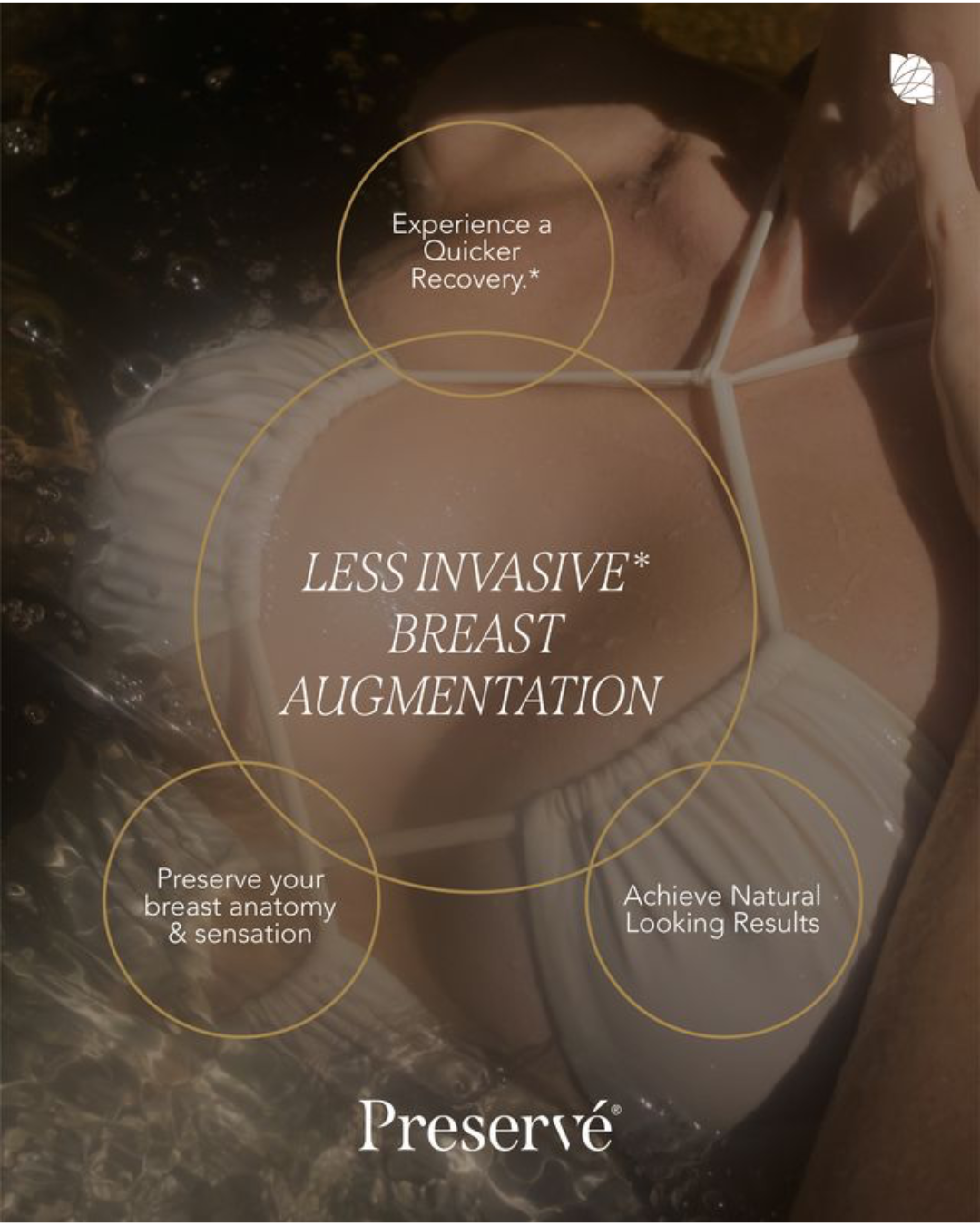
- Motiva Preservé™
- About Us
- Price List
- News
- Contact Us
