
If you’ve noticed changes in your chest, such as enlarged breast tissue, you might be experiencing gynaecomastia – often referred to as “gyno” or “man boobs.” This is a common condition that can affect men of all ages, and while it’s usually harmless, it can cause physical discomfort and emotional distress. The good news is that there are ways to manage and treat it, and I’m here to help.
My name is Mr. Ross McLean, and I’m a Consultant Breast Surgeon with a special interest in male breast conditions, including gynaecomastia. It is vital to improve care for men with breast concerns, rather than dismiss them – this is why I’ve worked to create a bespoke male breast pathway in the North East to ensure faster diagnosis and better management. I’ve also been lobbying the NHS to make gynaecomastia surgery more accessible and collaborating with charities like the Men’s VMU (Virtual Meet-up) and Moobs to raise awareness and improve support for men with breast conditions.
Here’s what you need to know about gynaecomastia:
What is Gynaecomastia?
Gynaecomastia is the enlargement of male breast tissue, which can happen for a variety of reasons. It’s often caused by a hormonal imbalance between oestrogen (a female hormone) and testosterone (a male hormone). While it’s not usually dangerous, it can make you feel self-conscious or uncomfortable.
What Causes Gynaecomastia?
There are several possible causes, including:
Hormonal Changes:
- Natural fluctuations during puberty.
- Age-related changes, especially in older men.
Medical Conditions:
- Liver or kidney disease.
- Overactive thyroid (hyperthyroidism).
- Rarely, tumours affecting hormone levels.
Medications and Substances:
- Anabolic steroids, certain prostate medications, or antidepressants.
- Alcohol or recreational drugs like cannabis.
Obesity:
- Excess fat can increase oestrogen production, leading to breast tissue growth.
Unknown Causes:
- Sometimes, there’s no clear reason for gynaecomastia.
How is Gynaecomastia Diagnosed?
If you’re concerned about gynaecomastia, here’s what to expect:
Medical History:
- I’ll ask about your symptoms, lifestyle, and any medications you’re taking.
Physical Examination:
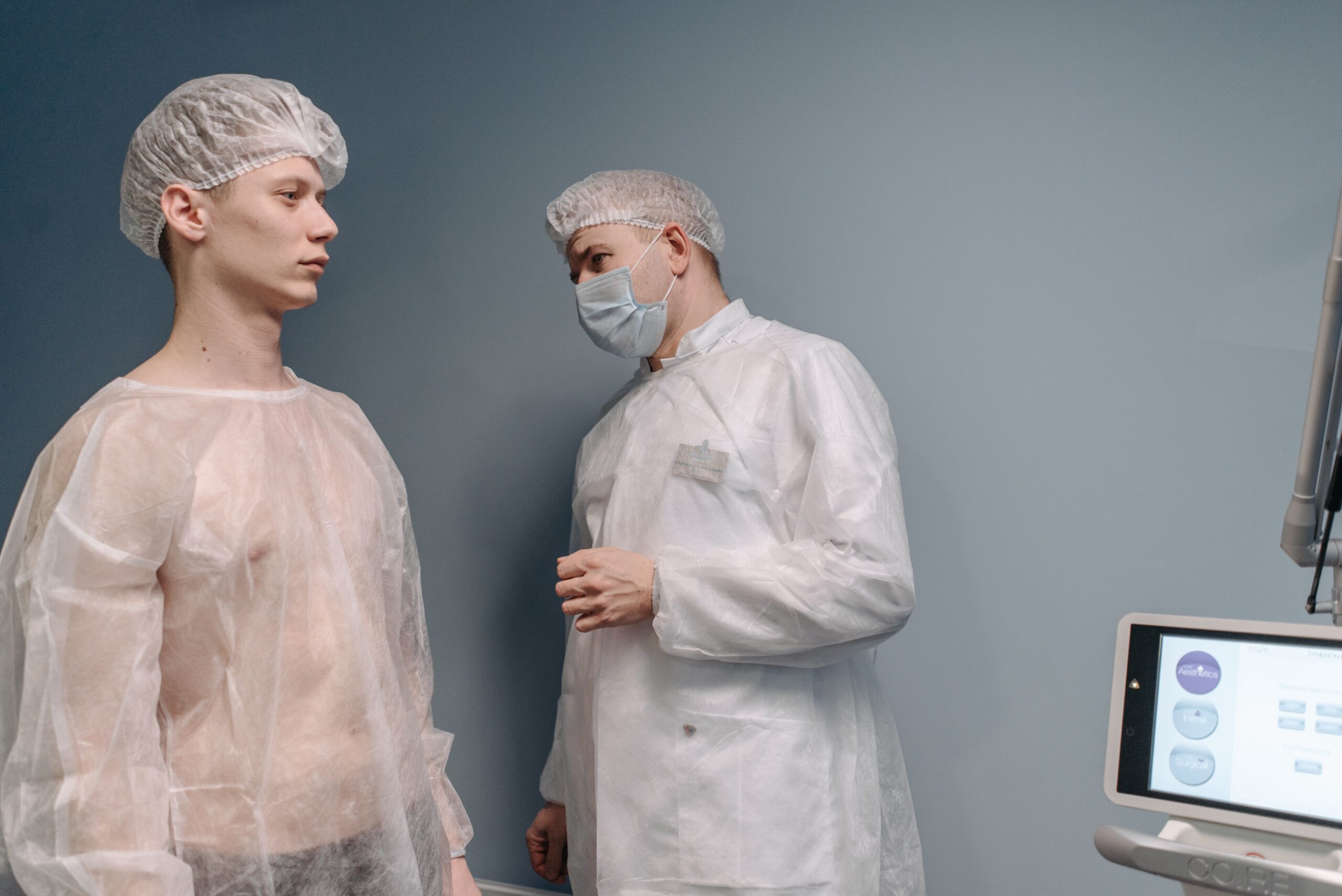
- I’ll check the size, shape, and feel of your breast tissue to determine if it’s glandular tissue or fat.
Tests (if needed):
- I may recommend blood tests to check hormone levels, liver function, or thyroid function.
- Imaging (like an ultrasound) if there’s a concern about a lump.
What Are the Treatment Options?
The right treatment depends on the cause and severity of your gynaecomastia:
Watchful Waiting:
- If it’s mild or caused by puberty, it may go away on its own within 1-2 years.
Lifestyle Changes:
- Losing weight and exercising can help reduce fat-related gynaecomastia.
- Avoiding alcohol, recreational drugs, or medications that may contribute.
Medications:
- In some cases, hormone therapy (like tamoxifen) can reduce breast tissue. This has variable results, but can work well in early gynaecomastia rather than chronic.
Surgery:
- If gynaecomastia is severe or causing distress, surgery may be an option.
- Liposuction: Removes excess fat but not glandular tissue.
- Mastectomy: Removes glandular tissue through a small incision.
- Unfortunately, gynaecomastia surgery is not currently available on the NHS, but I’m actively working to change this.
Frequently Asked Questions
1. Is gynaecomastia permanent? It depends on the cause. Puberty-related gynaecomastia often resolves on its own, while other cases may need treatment.
2. Can exercise get rid of gynaecomastia? Exercise and weight loss can help reduce fat-related ‘pseudo’ gynaecomastia but won’t remove glandular tissue.
3. How do I know if it’s gynaecomastia or just fat? Not all breast enlargement in men is caused by breast tissue enlargement. Typically, gynaecomastia involves firm glandular tissue under the nipple, while fat feels softer and is more spread across the chest. The other most common cause is pseudo-gynaecomastia, or fatty enlargement of the breasts. This involves both breasts due to excess fat tissue rather than glandular breast tissue. For men who feel self-conscious about their appearance, surgery can be helpful. In this case, liposuction alone can be sufficient, but in cases with skin excess, skin tightening may be required.
4. Is surgery the only option? No, surgery is considered when other treatments haven’t worked or if the condition is severe.
5. Can gynaecomastia come back after surgery? If the underlying cause (e.g., medication or hormonal imbalance) isn’t addressed, there’s a small chance it could return.
Why Choose Me?
I’m committed to providing compassionate, professional care for men with gynaecomastia. I’ve worked tirelessly to improve male breast care regionally and nationally, from rewriting referral pathways to lobbying for better NHS funding. I’m also collaborating with charities and leading efforts to develop national guidelines for male breast disease.
If you’re struggling with gynaecomastia, you’re not alone. I’m here to listen, answer your questions, and help you find the best solution for your needs.
If you’re concerned about gynaecomastia or would like to discuss your options, please get in touch. Together, we can find a way to help you feel more comfortable and confident in your body.
Contact us today today: 0191 406 4994 or email info@enovasurgery.co.uk