



Male Breast
Surgery
Request a consultation







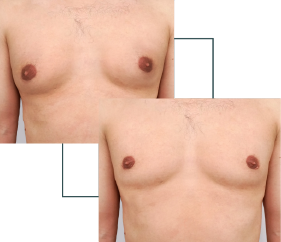
Male breast reduction surgery, also known as gynaecomastia correction, is a highly effective procedure that creates a flatter, firmer, and more contoured chest – helping you feel more confident in your body and comfortable in your clothing.
With Enova Surgery, this procedure is tailored to your individual needs using the latest surgical techniques and technologies to achieve natural-looking results with minimal downtime.
Gynaecomastia can occur due to hormonal changes, genetics, weight gain, or certain medications, and it affects many men at various stages of life. Depending on the cause and extent of the condition, male breast reduction may involve liposuction, glandular tissue excision, skin tightening, or a combination of these approaches.
For cases where breast enlargement is primarily due to fatty tissue – a condition known as pseudo-gynaecomastia – liposuction alone may be sufficient. With Enova Surgery, we often use liposuction to gently remove fat with greater precision, reduced scarring, and enable a faster recovery.
This also offer a smoother, more controlled result thanks to targeted fat removal and local anaesthetic for enhanced comfort.
When excess glandular tissue is the main concern, it will need to be surgically excised. In more significant cases, or where there is substantial excess skin, additional incisions may be necessary to reshape the chest and tighten the skin, which can result in more visible scarring. Every step of the procedure is discussed in detail during your consultation so you know exactly what to expect.
How surgery is performed
Male breast reduction surgery with Enova Surgery is performed under general anaesthetic as a day case procedure. We are committed to using cutting-edge techniques and providing personalised care to ensure the best possible outcome for every patient.
If you’re considering male breast reduction, we are here to guide you through every stage – from consultation to recovery – so you can move forward with greater confidence and peace of mind.

Gynaecomastia Surgery At a Glance
Gynaecomastia surgery is usually performed under general anaesthetic as a day case procedure meaning that you are discharged home the same day. The figures shown here may vary depending on the type of surgery you have and your individual circumstances.

Aims of Surgery
Improve chest contour by removing excess tissue from chest

Anaesthetic
General anaesthetic

Duration
1-2 hours

Time off Work
2-4 weeks

Driving
2 weeks

Exercise
4-6 weeks

Final Results
3-6 months
Why choose Enova Surgery
At Enova Surgery, we are dedicated to renewing confidence, restoring well-being, and innovating in the field of breast surgery to provide exceptional care tailored to your individual needs.
Our Director, Mr. Ross McLean, is an award-winning Consultant Oncoplastic Breast Surgeon with a reputation for excellence and innovation; he is dedicated to providing the highest standard of care in breast surgery.
Among his many achievements, Mr. McLean was awarded the ASGBI Gold Medal – a prestigious honour given to the top surgeon in the UK for the FRCS Consultant Exam. This remarkable accomplishment highlights his exceptional skill, knowledge, and dedication to his craft, placing him among the top in his field.
His pursuit of excellence didn’t stop there – he was awarded the National ABS Educational Fellowship in Cosmetic and Reconstructive Breast Surgery. Whilst operating in private practice, he honed his skills in cosmetic breast surgery to help patients achieve their desired aesthetic goals.
Mr McLean’s special interests lie in ensuring male patients have access to the breast care and surgery they need, and he has:
- Developed and secured a bespoke male breast pathway in the North East to ensure faster diagnosis and better management of breast disease in men.
- Lobbied the NHS to make gynaecomastia surgery more accessible
- Collaborated with charities like The Men’s VMU (Virtual Meet-up), where he is their Advisory Breast Surgeon, to raise awareness and improve support for men with breast cancer.

Our Process


FIRST CONSULTATION
Once booked in to your initial consultation with Enova Surgery, we will take time to get to know you and understand your goals. We will discuss your medical history and any previous breast history. This is the ideal time to ask questions and discuss expectations for your procedure.

EXAMINATION AND ASSESSMENT
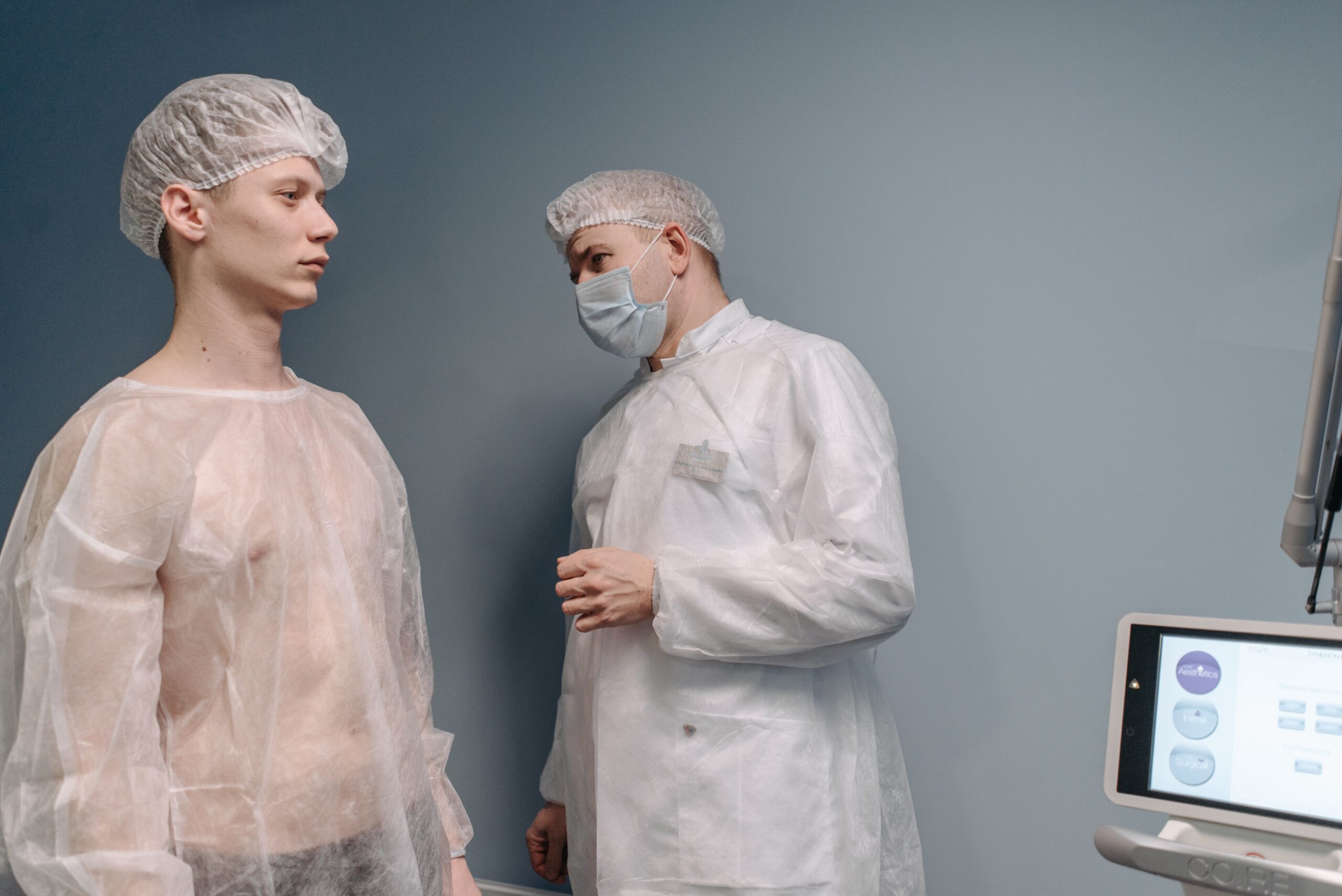
We will perform a full examination of your chest and perform measurements (if needed), all with a clinic chaperone. We will discuss surgical options with you and ensure that there is plenty of time for your questions.
SECOND CONSULTATION
At Enova Surgery, we believe it is best practice to offer a second consultation before you undergo any surgery with us. This will give you the time to ensure that you are making the right decision for yourself. We will always give you a “cooling-off period” of at least 14 days before undergoing any surgery.

SURGERY
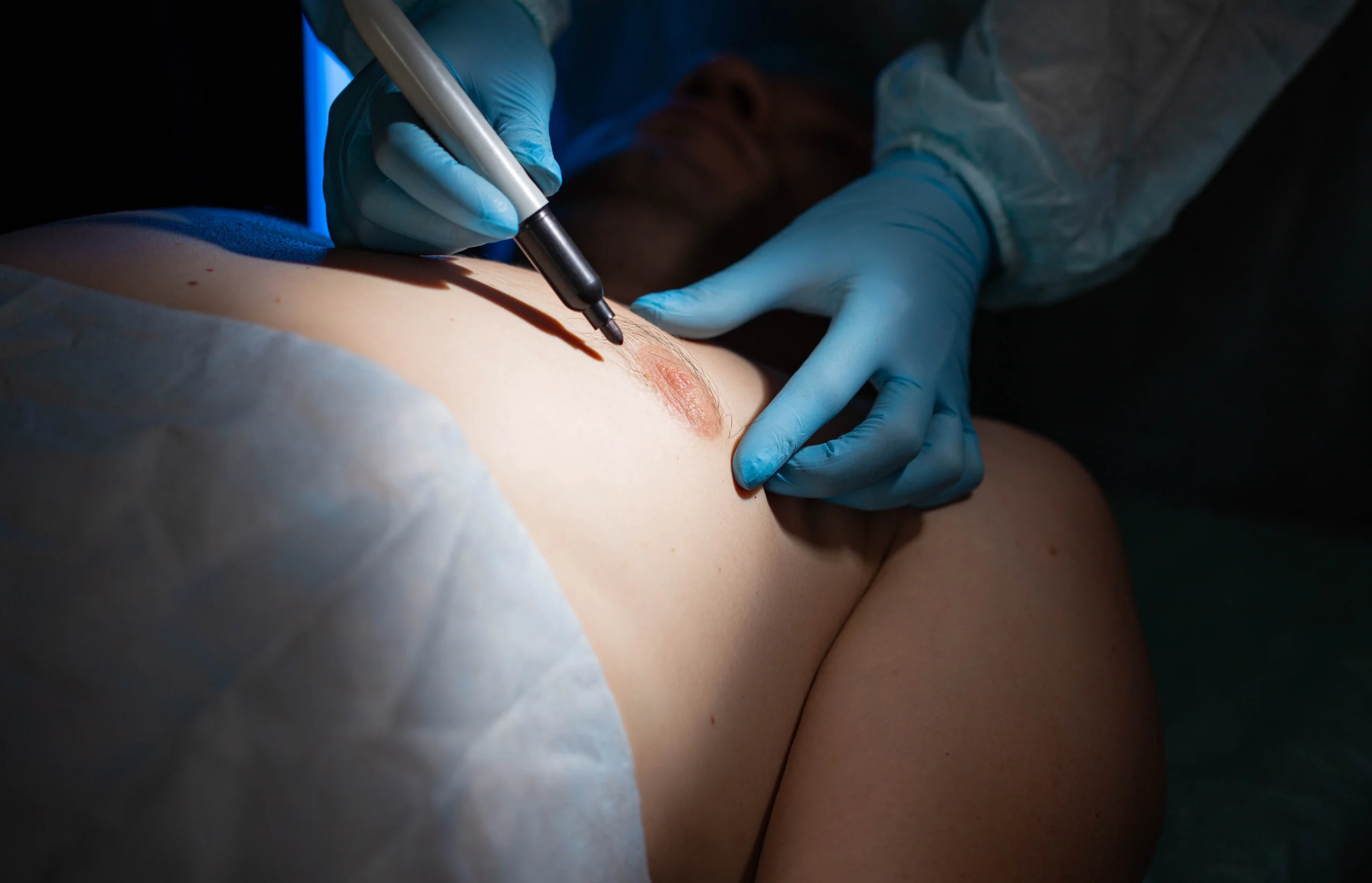
On the day of your procedure, our priority is your safety and comfort. We will discuss your procedure again to confirm you have understood everything. We will perform surgical marking and take clinical photographs for your records. If you are having a general anaesthetic, you will also meet the Consultant Anaesthetist who will explain everything you need to know about your anaesthetic with you.

AFTER SURGERY
Excellent aftercare is the cornerstone of your recovery, and is as important as the procedure itself. You will attend follow-up appointments to check your progress, change your dressings and to remove any sutures if needed. You will receive guidance on how to contact us if you have any questions or concerns during your recovery.
Read more about male breast surgery Read more about this service
Is Male Breast Reduction Surgery Right for Me?
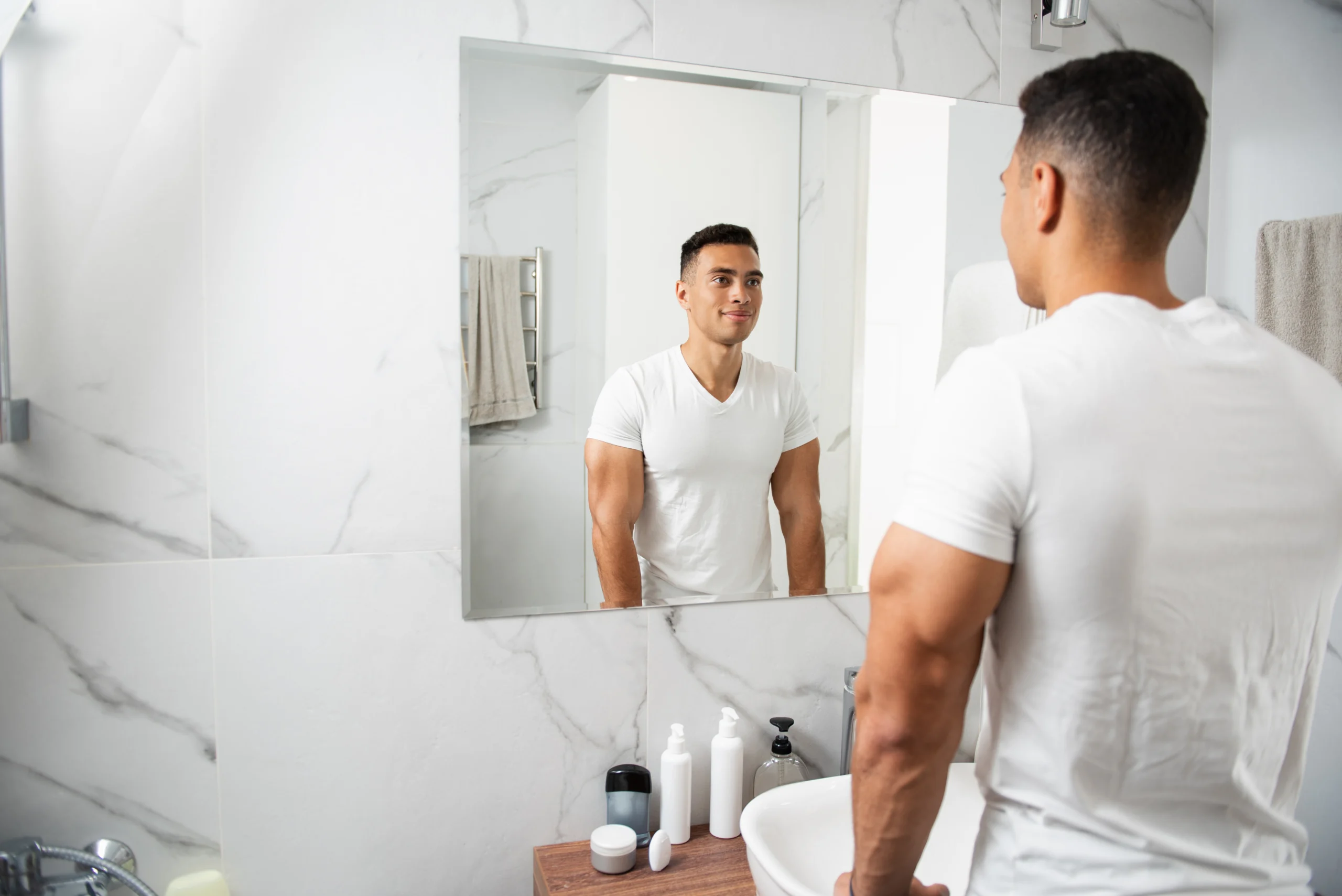
Male Breast Reduction is surgery to treat enlarged male breasts to create a flatter, more masculine chest. People joke about man boobs or moobs, but enlarged male breasts are a common problem. Gynaecomastia affects many men, decreasing self-confidence, and making them embarrassed about their bodies.
Hormonal disturbances, cancer treatment, and some drugs and diseases can cause breast enlargement. However, it often happens for no apparent cause, just bad luck, unfortunate fat distribution, and the effects of ageing.
If you feel embarrassed removing your shirt on the beach, or wearing tight t-shirts, Male Breast Reduction Surgery with Enova Surgery can help. Male breast reduction surgery is a safe, permanent solution to gynaecomastia. Mr McLean will remove any extra glandular and fatty tissue to leave the chest looking flatter, leaner, and more masculine.

What causes male breast enlargement?
Gynaecomastia
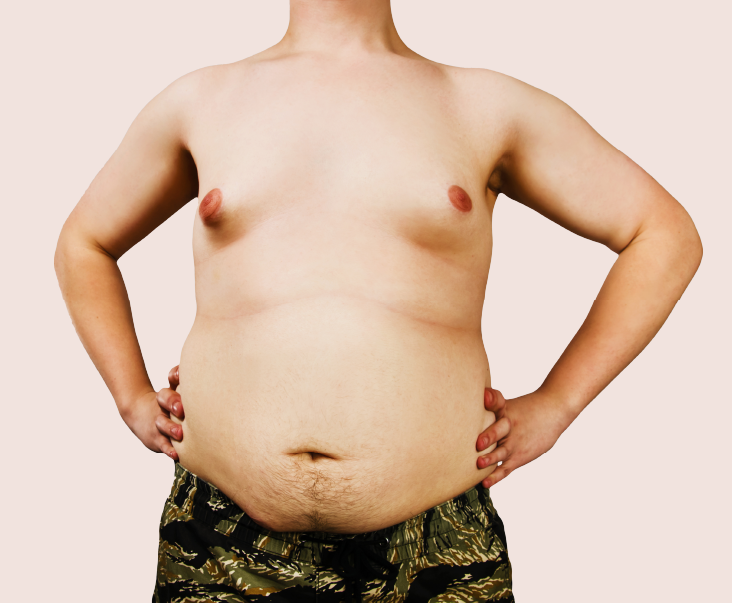
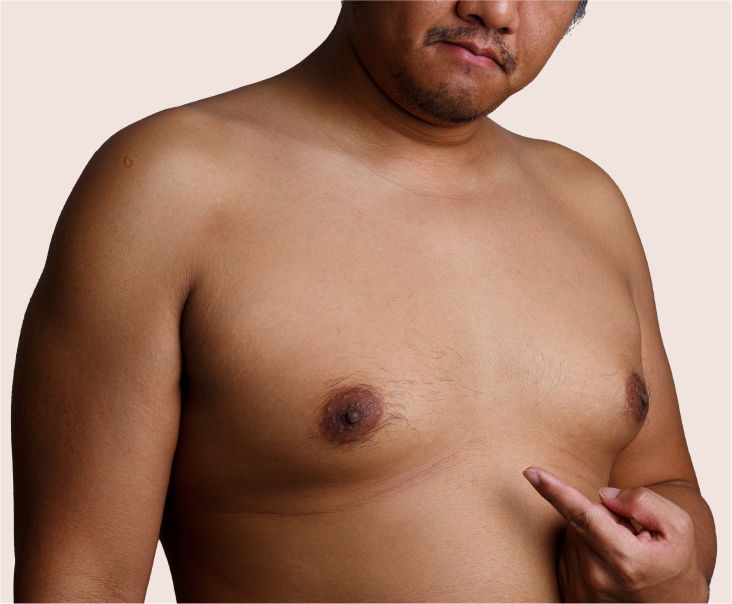
Gynaecomastia (also known as ‘gyno’) is a medical term meaning enlargement of the male breast tissue. In the majority of cases there is no known cause and, although rarely talked about, it is a common condition.
Most teenage boys experience some degree of breast enlargement affecting one or both breasts. However, by early adulthood less than 10% have a residual problem. The rate of gynaecomastia rises with age, reaching approximately 65% in older men. There is usually no underlying medical problem, and this should be considered normal for some men. Rarely, the breast enlargement can be caused by medicines (for high blood pressure, heart disease and prostate cancer), drugs (such as marijuana and anabolic steroids), some diseases (such as liver failure and some cancers) and some very rare congenital abnormalities (errors of development that you are born with).
When gynaecomastia has been diagnosed, and a problematic cause has been excluded, medical management may be considered. Medical management of early gynaecomastia is associated with a high success rate and avoids surgical intervention, but once fibrosis (chronic gynaecomastia) occurs it does not work well. Tamoxifen (an oestrogen-receptor blocker), although widely used for the treatment of gynaecomastia, is not licensed for this indication. However good response rates have been seen and it is therefore often recommended by clinicians.
Further information on Gynaecomastia can be found below.
Mr McLean has worked with the NHS in the North East to develop a pathway for men with gynaecomastia to support GP’s to ensure any underlying cause is diagnosed and managed. This involves a visit to your GP to check for a range of causes for this – they will review your medications, drug and alcohol use; and often take a set of bloods which assesses for underlying causes of the gynaecomastia. This may mean a referral onto a specialist doctor to evaluate further.
Surgery is the definitive management of gynaecomastia, with removal of glandular breast tissue, and a very low rate of reoccurrence. Unfortunately, this is very rarely funded by the NHS. Mr McLean’s work in the North East has highlighted that men are under-served by NHS breast services, and he continues to lobby for improved access to gynaecomastia surgery via the NHS. With Enova Surgery, male breast reduction surgery is a safe, permanent solution to gynaecomastia. Mr McLean will remove any extra glandular and fatty tissue to leave the chest looking flatter, leaner, and more masculine.

Pseudo-gynaecomastia
The other most common cause is pseudo-gynaecomastia, or fatty enlargement of the breasts. This involves both breasts due to excess fat tissue rather than glandular breast tissue. For men who feel self-conscious about their appearance, surgery can be helpful. In this case, liposuction alone can be sufficient, but in cases with skin excess, skin tightening may be required.
Am I Eligible for Male Breast Reduction Surgery?
If you feel embarrassed removing your shirt on the beach, or wearing tight t-shirts, Male Breast Reduction Surgery with Enova Surgery can help.
This is a highly effective procedure that creates a flatter, firmer, and more contoured chest – helping you feel more confident in your body and comfortable in your clothing. With Enova Surgery, this procedure is tailored to your individual needs using the latest surgical techniques and technologies to achieve natural-looking results with minimal downtime.
You may be a good candidate if you:
- Are over 18 and in good general health
- Don’t smoke and aren’t overweight
- Have realistic expectations about the outcome
If excess glandular tissue is the primary cause of breast enlargement (gynaecomastia), it may need to be excised (cut out) with a scalpel. This will leave a scar, usually around the areolar (pigmented patch of skin around the nipple) edge. This excision can be performed alone or in conjunction with liposuction.
Major reductions that involve the removal of a significant amount of tissue and skin may require larger incisions that result in more obvious scars. Most operations for gynaecomastia take about 90 minutes to complete and are performed under general anaesthesia as a day case procedure.
What to Expect from the Consultation?
Your journey begins with Enova Surgery during a one-on-one discussion with Mr McLean, an award-winning breast surgeon who is trained in cosmetic breast surgery. He will:
- Review your medical history (including medications and allergies) and your breast history
- Listen carefully to your goals and concerns
- Perform a thorough physical examination, assessing:
- Chest shape, symmetry, and chest wall structure
- Skin quality and tissue thickness
- Any pre-existing asymmetry or anatomical variations
Mr McLean will explain your options in detail, and discuss:
- Incision types
- Need for glandular excision and/or liposuction
- Potential risks and recovery expectations
He will also demonstrate before and after photos of other patients who have had similar procedures. Don’t forget – this is your time to ask questions – no detail is too small!
What Options are Available for Male Breast Reduction Surgery?
Mr McLean specialises in male breast care and surgery, and will discuss a range of surgical options that will depend on your individual circumstances.
The breast is made up of two main components, glandular tissue (firm and dense) and fatty tissue (soft). The ratio of glandular to fatty tissue in any breast varies between individuals and in gynaecomastia there may be an excess of both.
If there is predominantly a diffuse fatty enlargement of the breast (pseudogynaecomastia), liposuction is the usual treatment. This involves sucking out the tissue through a small tube inserted via a 3-4mm incision.
If excess glandular tissue is the primary cause of breast enlargement (gynaecomastia), it may need to be excised (cut out) with a scalpel. This will leave a scar, usually around the areolar (pigmented patch of skin around the nipple) edge. This excision can be performed alone or in conjunction with liposuction.
Major reductions that involve the removal of a significant amount of tissue and skin may require larger incisions that result in more obvious scars. Most operations for gynaecomastia take about 90 minutes to complete and are performed under general anaesthesia as a day case procedure.
When Will I be Able to see my Results?
Male breast reduction surgery will produce immediate results and you will see that the size and weight of your breasts have reduced right after surgery. There will be some swelling from surgery, which will take a couple of weeks to subside.
Frequently Asked Questions
Pre-operatively, you will be seen by the pre-assessment team who will advise you if any changes to your medications are required before surgery. “Practice” sleeping on your back – If you’re a side/stomach sleeper, train yourself pre-surgery to avoid accidental strain post-op. Use a V pillow for support.
Information HubAfter surgery, there are lots of ways to invest in your recovery to optimise your surgery outcome. We have written an article with our advice in the Information Hub section which covers the strategies that we would recommend to you.
Information HubNormally for men undergoing breast reduction surgery we would recommend a mammogram for if you are aged over 40 or for those who have other risk factors, such as a family history of breast cancer. It is rare to find anything wrong in the breast tissue removed at the time of a routine breast reduction. For this reason, it is not usual to send the tissue to a laboratory for examination under the microscope. However, if there is a strong family history of breast cancer or a previous history of breast disease, then we are likely to advise that the tissue be examined further.
Yes, the breasts do not always enlarge symmetrically. Whether your gynaecomastia affects both sides or is unilateral, Mr McLean can treat the problem. It is common for pseudo-gynaecomastia to affect both sides.
In the majority of patients, Male Breast Reduction is a one-off procedure. There is a small chance of recurrence of gynaecomastia if all the glandular breast tissue is not removed. If gynaecomastia does come back, revision surgery may be required after you have been checked for an underlying hormonal or medication driver of the regrowth. Fatty tissue may return with changes in weight, and we would recommend that you achieve a stable weight preoperatively and work to maintain this in the long-term to avoid fatty chest regrowth.
Male breast reduction surgery is a safe and commonly performed procedure, but like all surgeries, it carries some risks. Mr McLean leads efforts to reduce complications and improve the safety of male breast reduction surgery by ‘stacking marginal gains’. This has resulted in excellent outcomes following surgery for his patients.
The overall complication rate for routine male breast reduction is less than 10% and most of these are minor problems. While serious complications are rare, it is important to be fully informed before making your decision. Below are some possible risks and how they are managed.
- Scar – this will depend on the type of surgery that you have and will be discussed with you at your consultation
- Haematoma (bleeding)– a collection of blood may cause swelling and pain. Small haematomas resolve on their own, but large ones may need a second operation to remove the blood clot and stop bleeding.
- Seroma (fluid accumulation)– a small amount of fluid may collect in the breast post-surgery. Most resolve naturally, but symptomatic cases may require needle aspiration.
- Infection– some minor wound infections may require antibiotic treatment.
- Wound healing problems – occasionally, there may be areas that take a bit longer to heal due to either infection or impaired blood supply.
- Abnormal scarring – in very young and/or darker skinned patients the scars can thicken, become raised and itchy after surgery (scar hypertrophy) and in severe cases become keloid scars. This is very rare and can be treated.
- Loss of nipple sensation – temporary numbness in the first few months is common, with permanent numbness seen rarely (more common in very large breasted patients.
- Nipple blood supply issues – very rarely the blood supply can be interrupted, which can lead to a range of outcomes from skin scabbing and discolouration to partial nipple necrosis or complete loss.
- Chest asymmetry– there may be minor asymmetry in size, volume or shape between the two breasts and in particular in the shape of the nipple areolar complex. It is important to realise that any asymmetry in the nipple areolar complex prior to surgery will remain. Adjustment may occasionally be necessary.
- Fat necrosis – if the breast tissue is very fatty, then when it is cut, some areas of fat may lose their blood supply and die. This will become evident in the postoperative period with an area of hardness in the chest. This can occasionally lead to contour irregularities in the chest shape. In most cases it resolves, without treatment, over a 3-6 month period.
It is important that your chest and wounds are held in place firmly for the first few weeks after the surgery and a well-fitted surgical compression vest helps. At Enova Surgery, we have included a resource to assist you in selecting your postoperative vest. Please bring one of the vests to theatre with you so that it can be put on at the end of the operation whilst you are still asleep.
These compression vests need to be worn for six weeks following the surgery, both during the night for sleeping and during the day.
Post-operative Chest Compression AdviceThe Department of Health give advice on protecting patients who are considering cosmetic surgery.
Specific advice regarding male breast reduction can be obtained from:
Patient Information Hub
At Enova Surgery, we want you to have the best possible experience – from your first consultation through to full recovery. For detailed guidance on preparing for surgery, what to expect during recovery, and how to optimise your results, explore our Patient Information Hub.
Enquire today
To learn more or to book a consultation at Enova Surgery, simply complete our enquiry form. A member of our team will be in touch as soon as possible.
Related articles




- Surgical Procedures
- Information Hub
- Motiva Preservé™
- About Us
- Price List
- News
- Contact Us
